
Understanding Kruger: What “Greater Kruger” Means for Travellers
If you’re planning a safari, you’ll often hear two terms: Kruger National Park and Greater Kruger. They’re part of the same ecosystem, but the experiences feel quite different.
Kruger National Park is the vast, government-managed reserve loved for its self-drives, rest camps, picnic sites and incredibly diverse landscapes. It’s big, beautiful, and full of life — but can be busier in peak travel months.
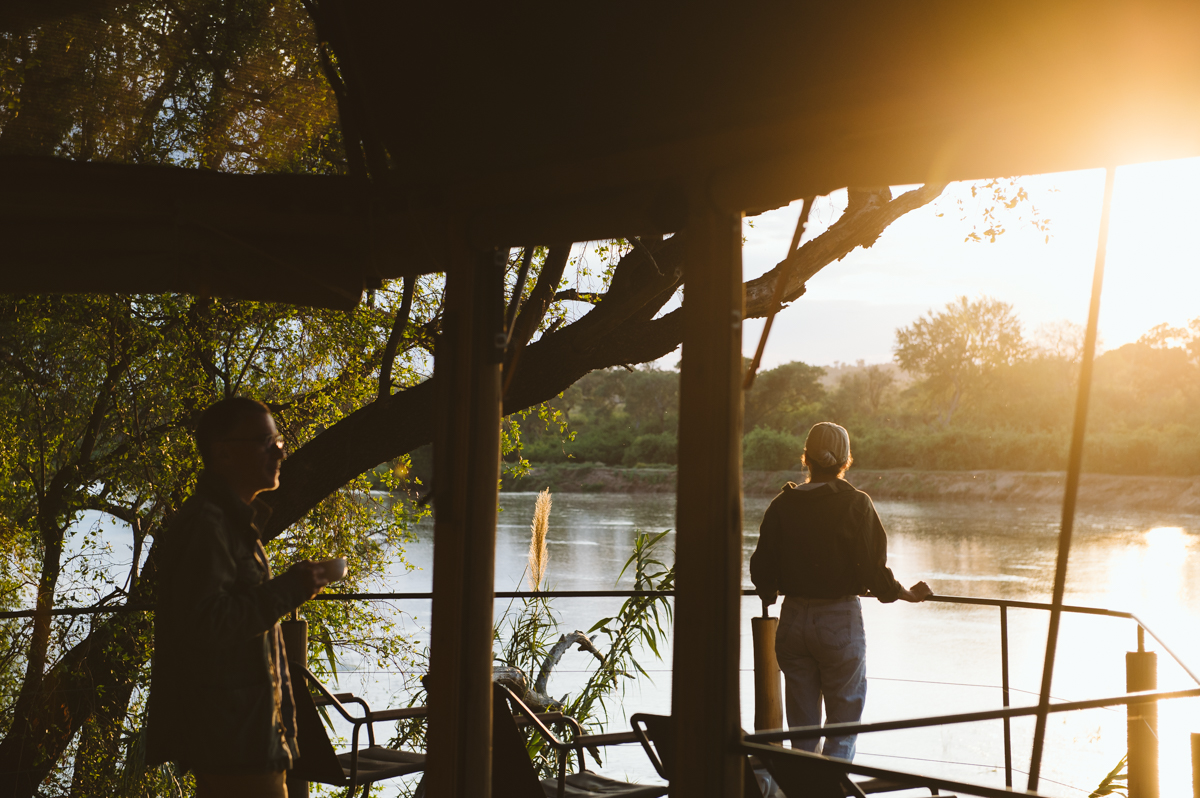
The Greater Kruger refers to the network of private reserves that border the park without fences. Wildlife roams freely between them, but the experience shifts:
- smaller camps and personalised hosting
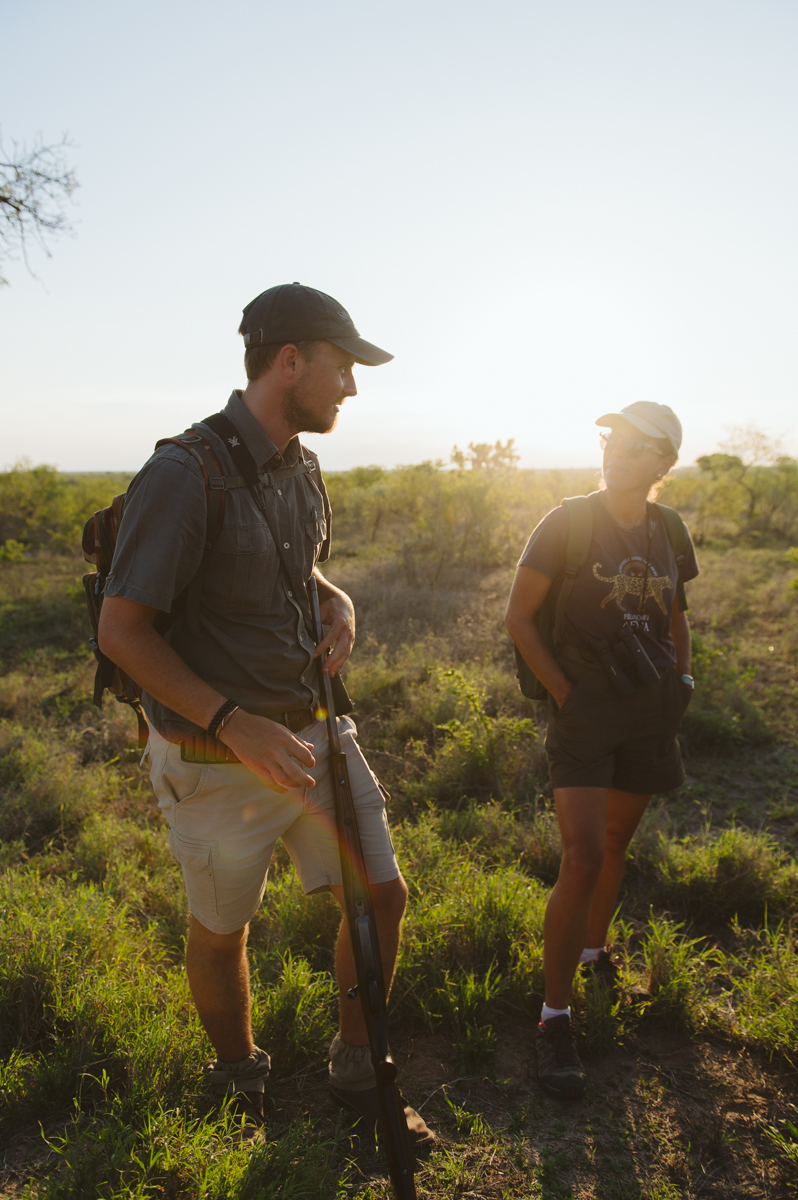
- expert guides and trackers
- off-road sightings where appropriate
- fewer vehicles
- and a deeper sense of immersion
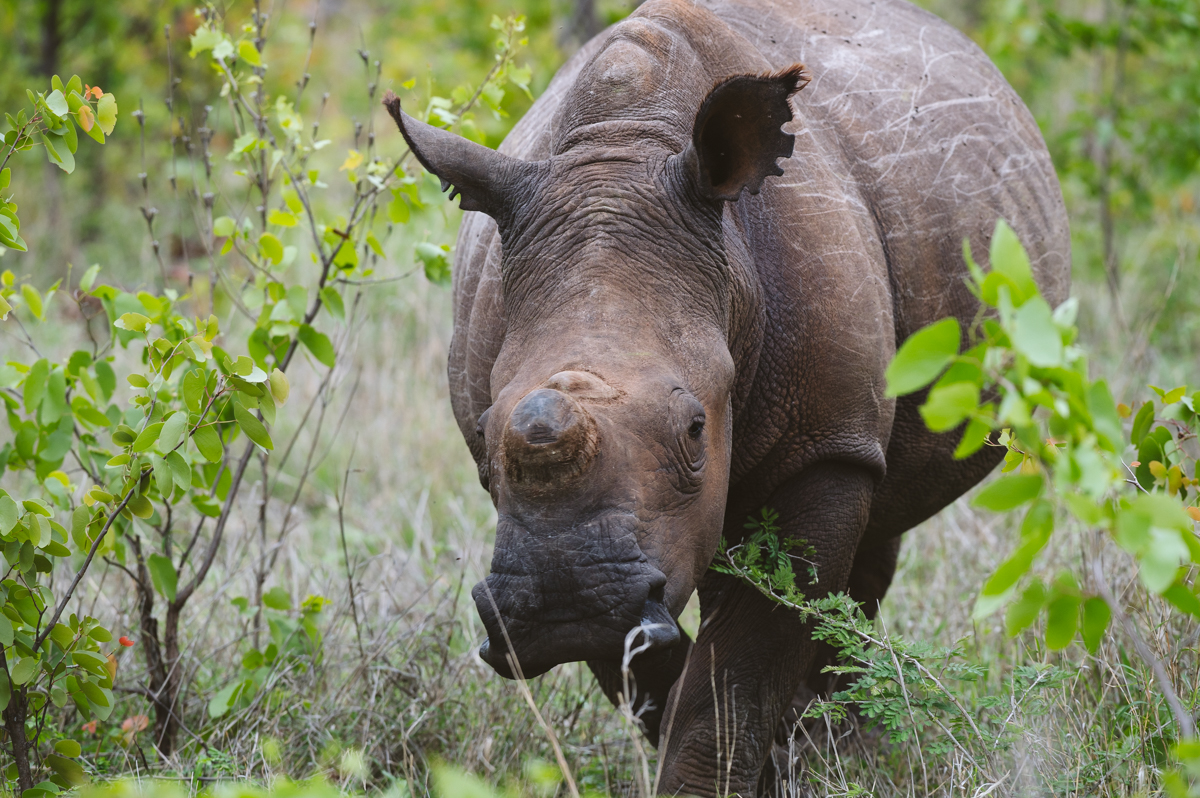
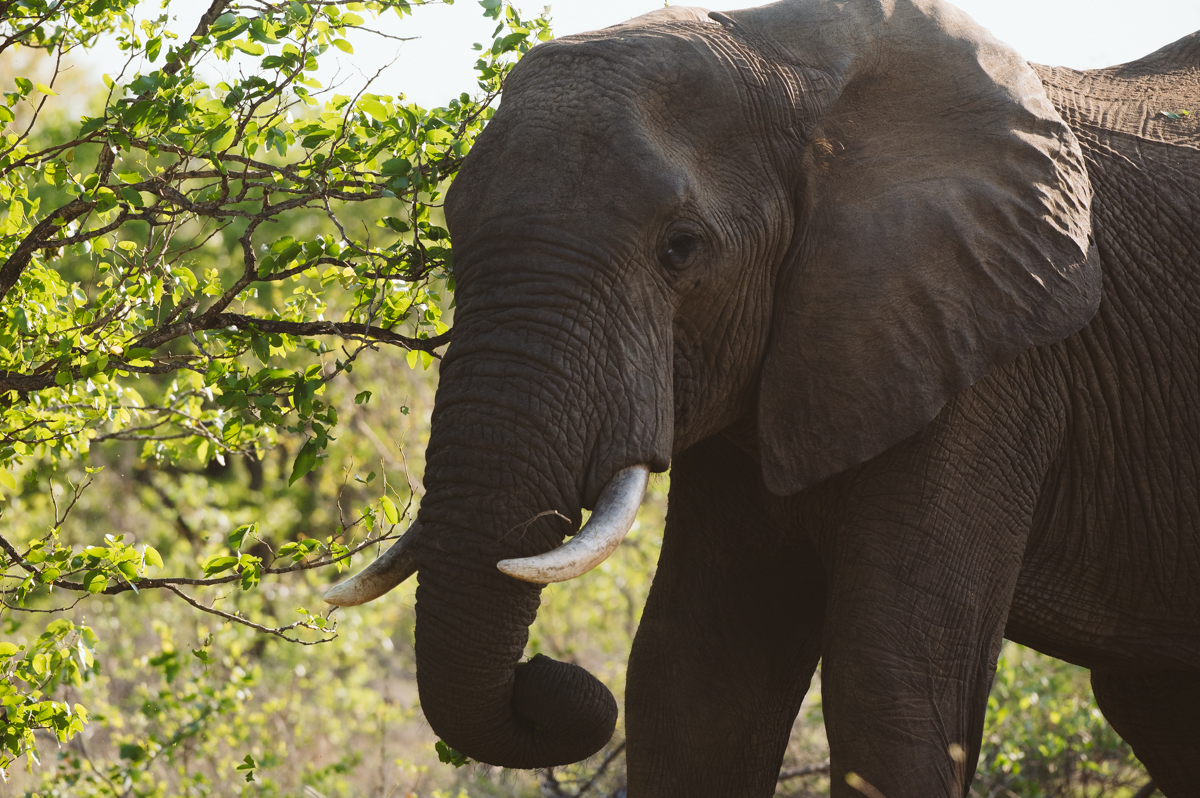
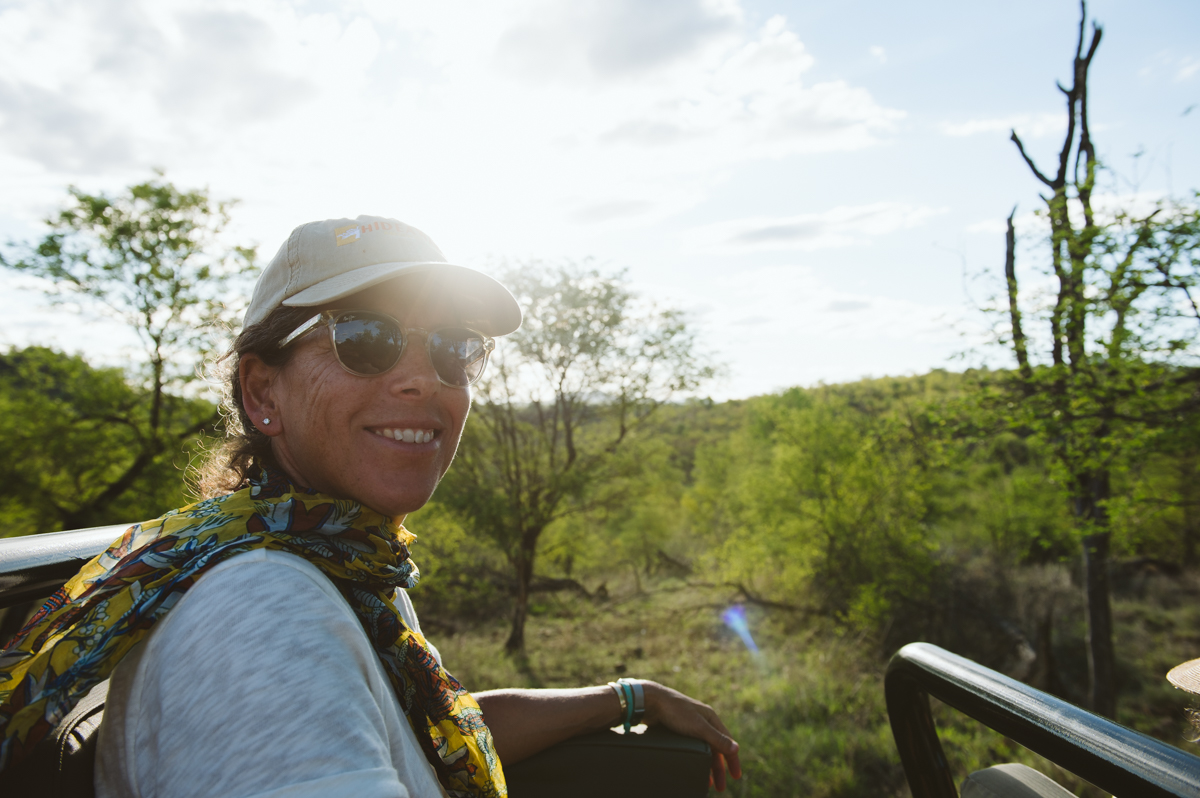
Each reserve has its own personality — Sabi Sand, Timbavati, Klaserie, Manyeleti, Balule — and the only way to truly understand these differences is to explore them in person, which is exactly what this end-of-year journey allowed me to do.
My goal is always the same: to understand these places deeply so I can design journeys that feel effortless, meaningful, and perfectly suited to you.
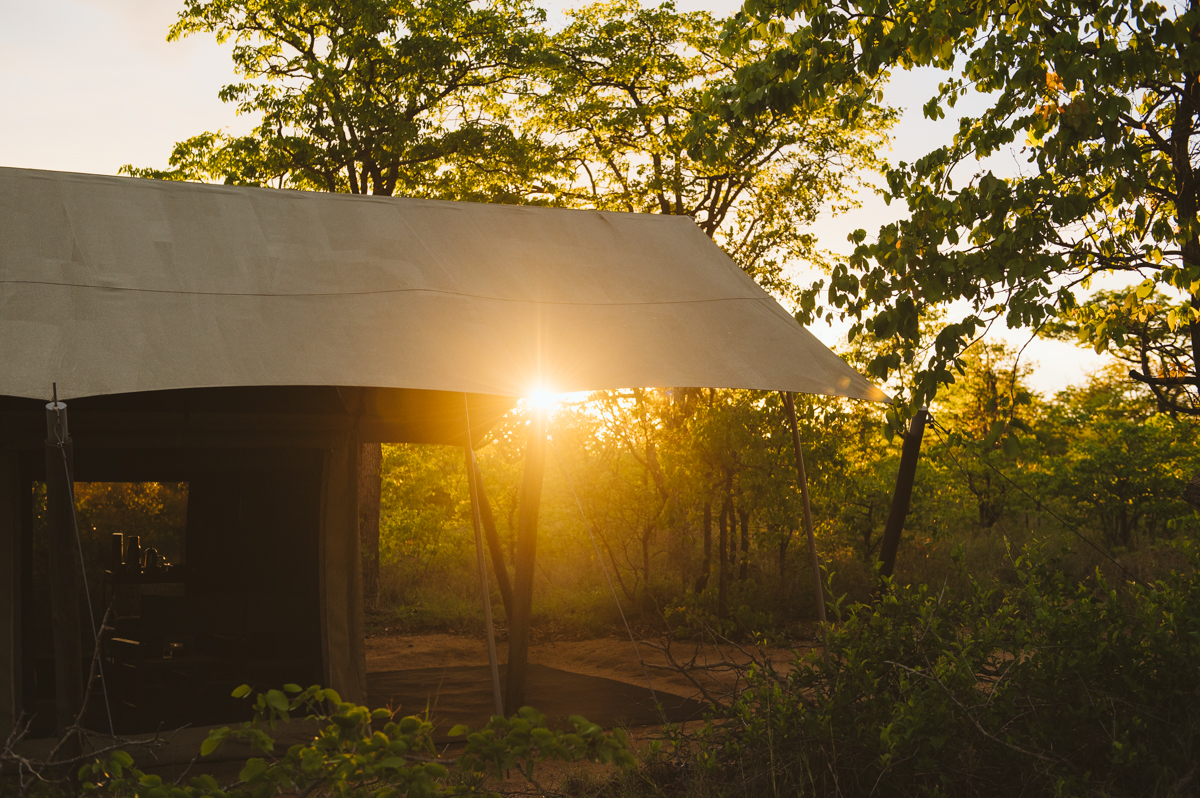
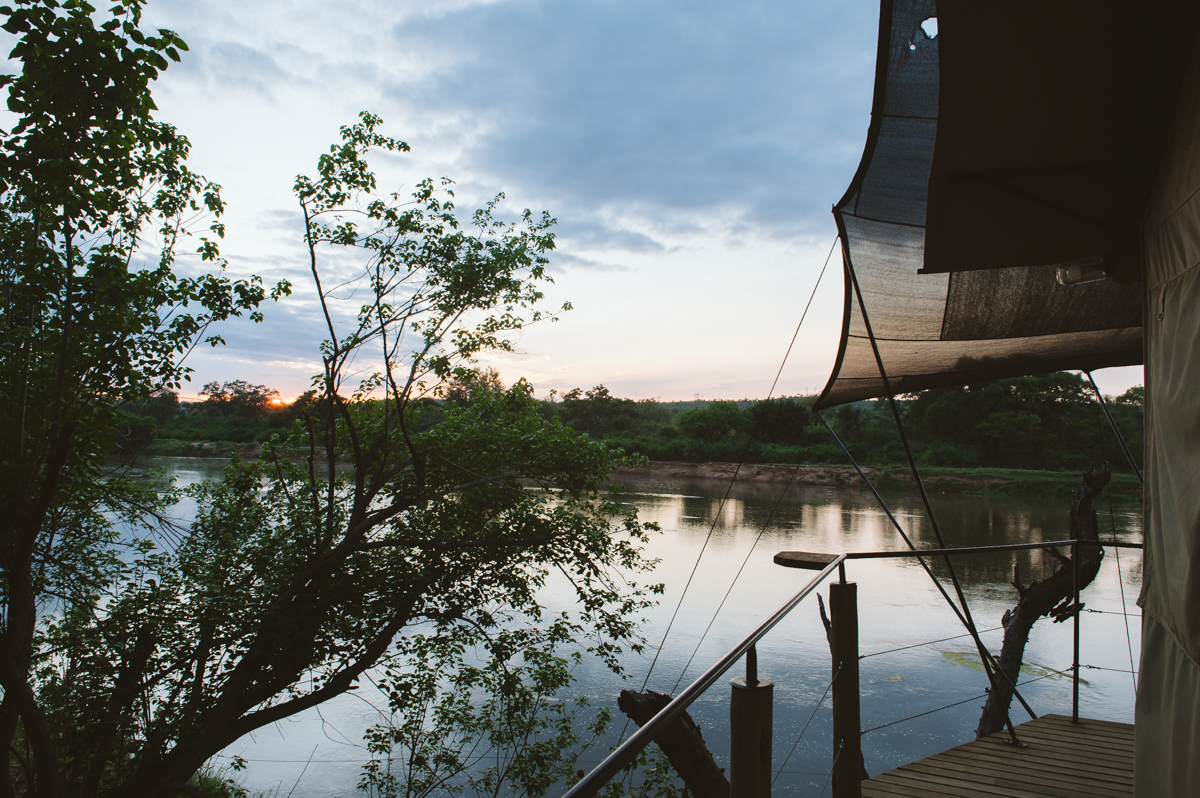
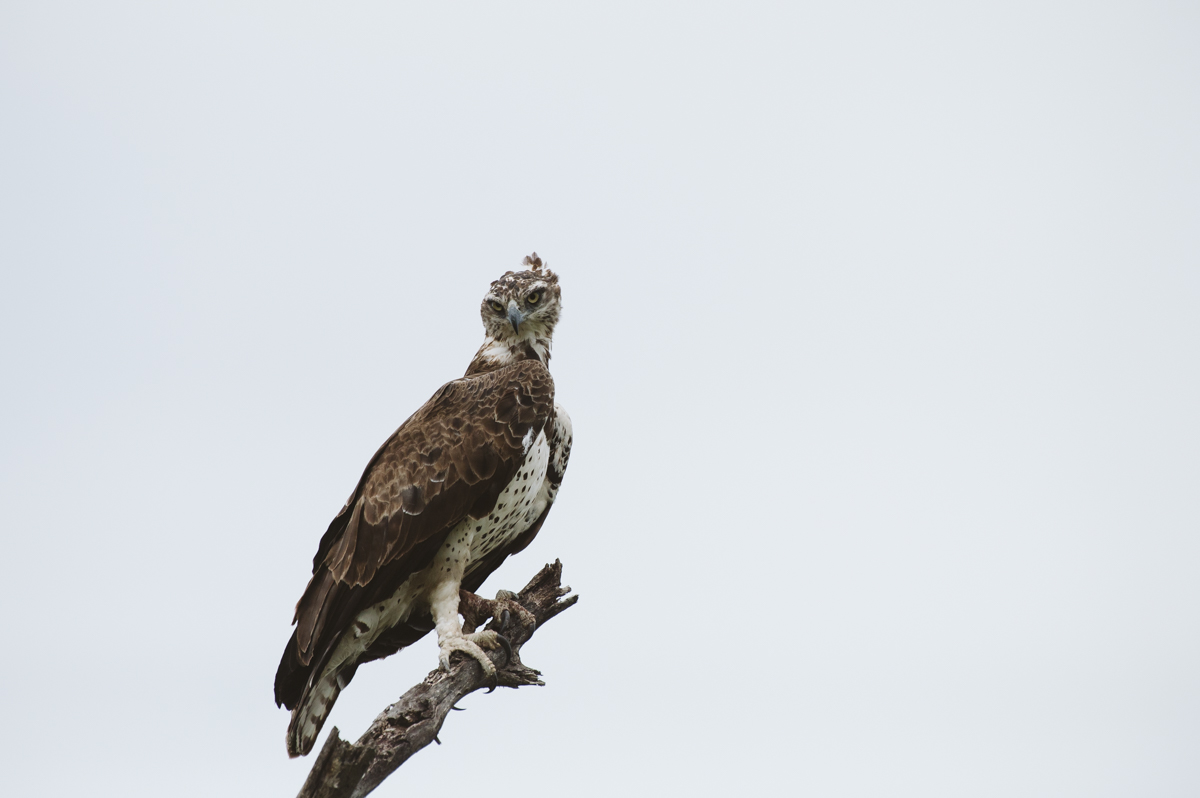
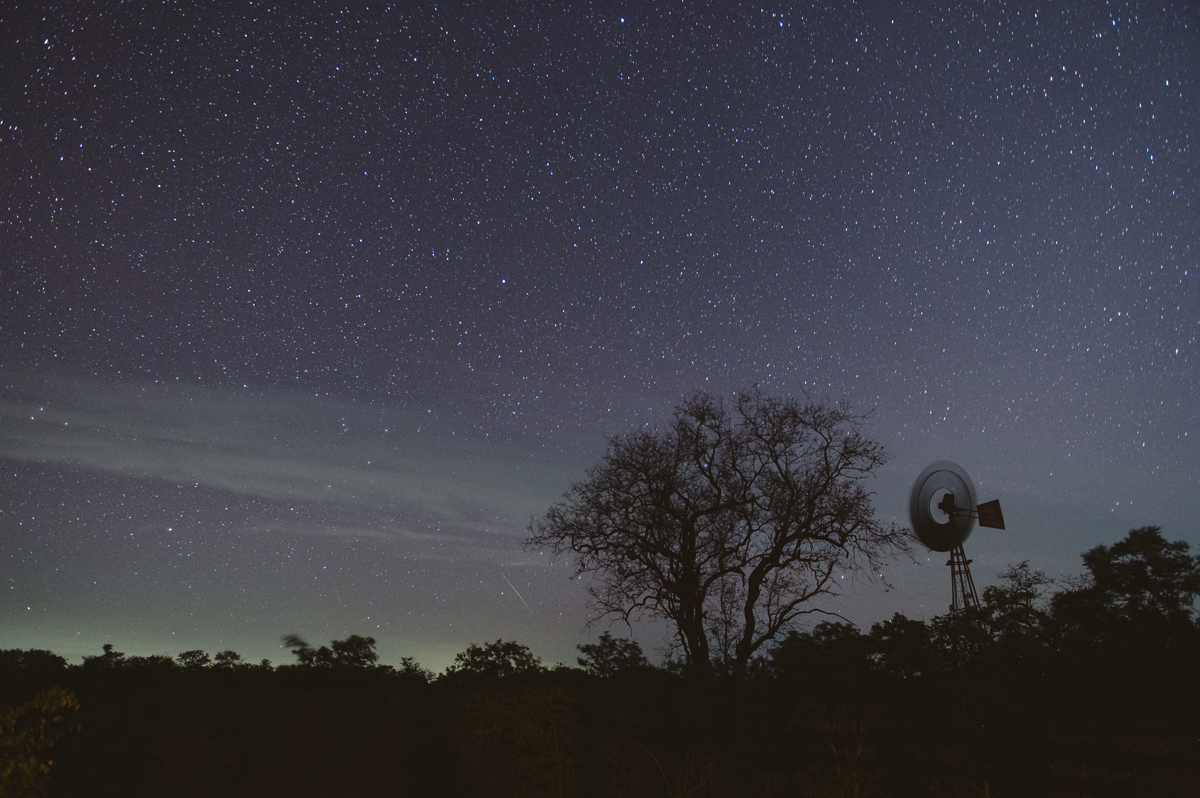
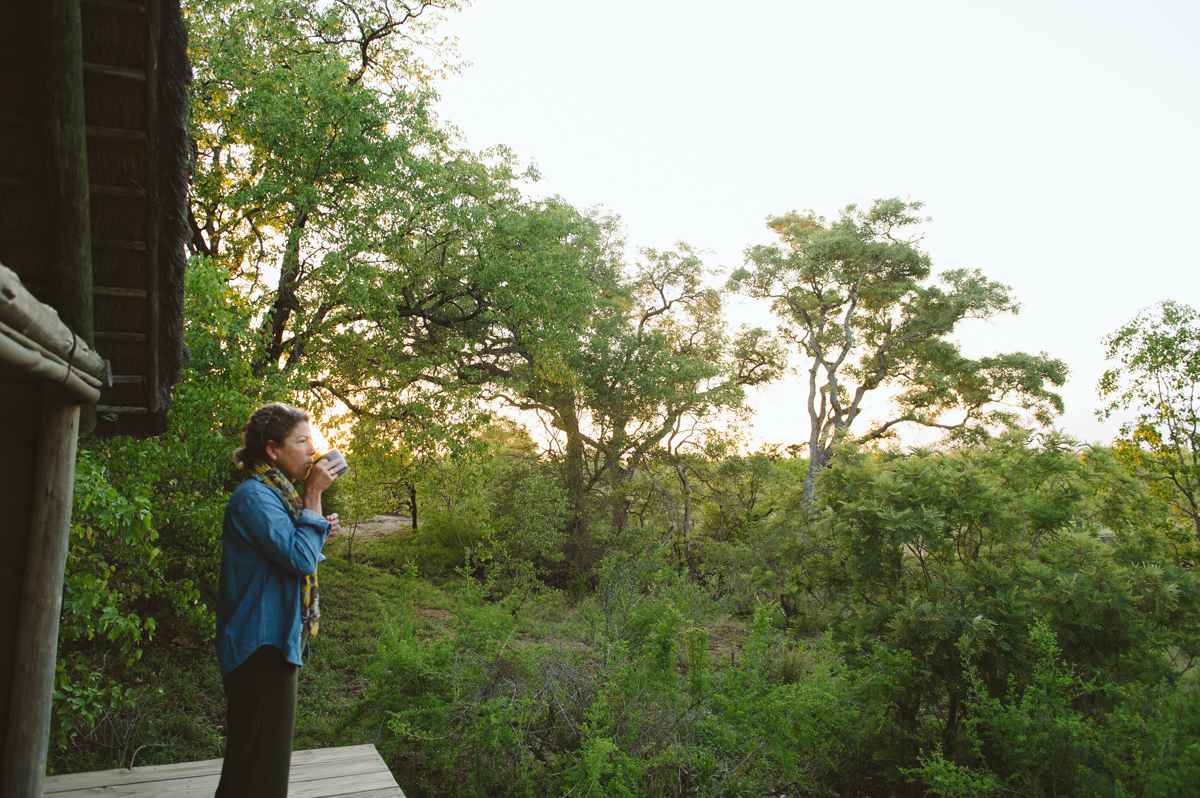
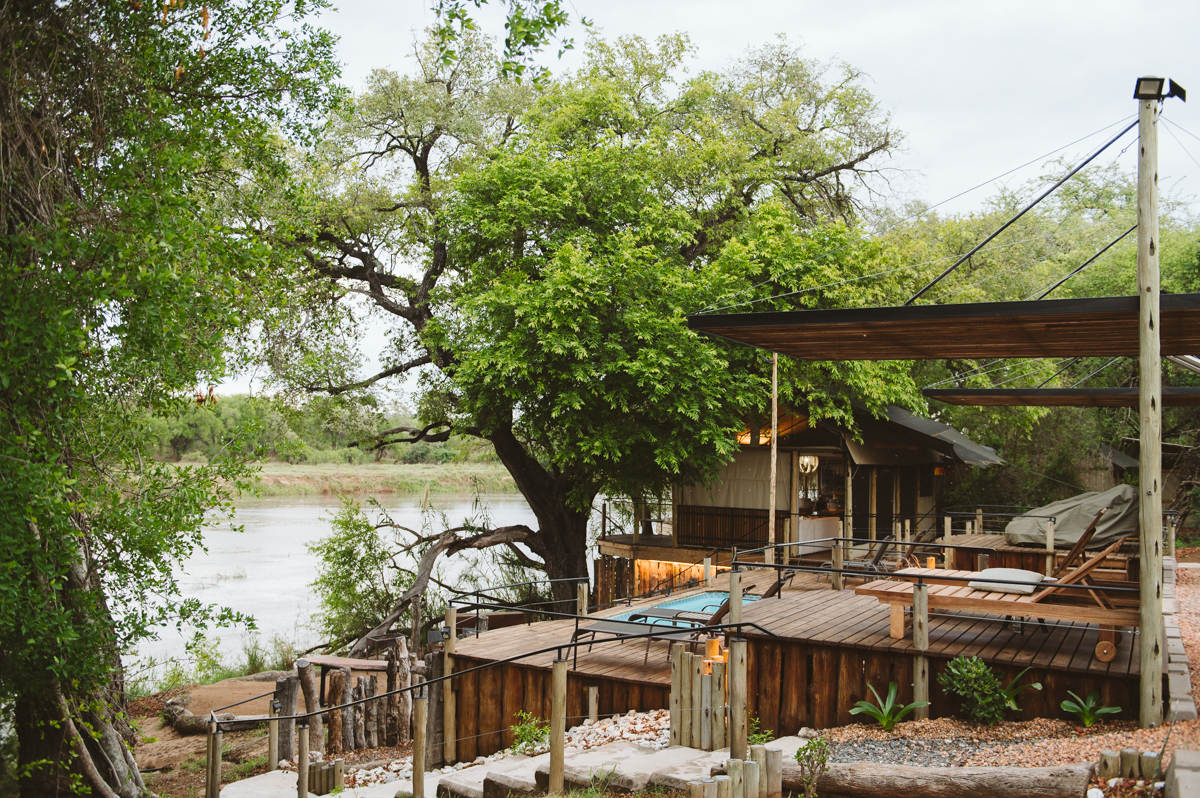
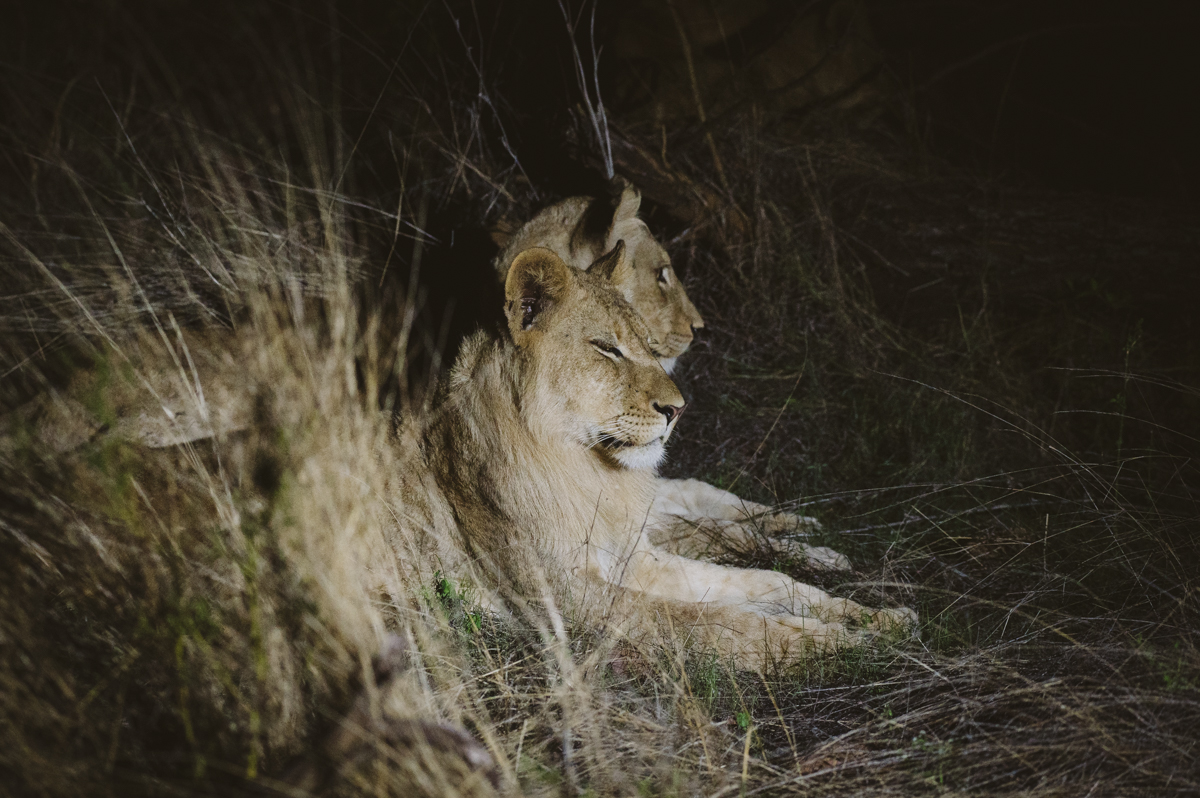
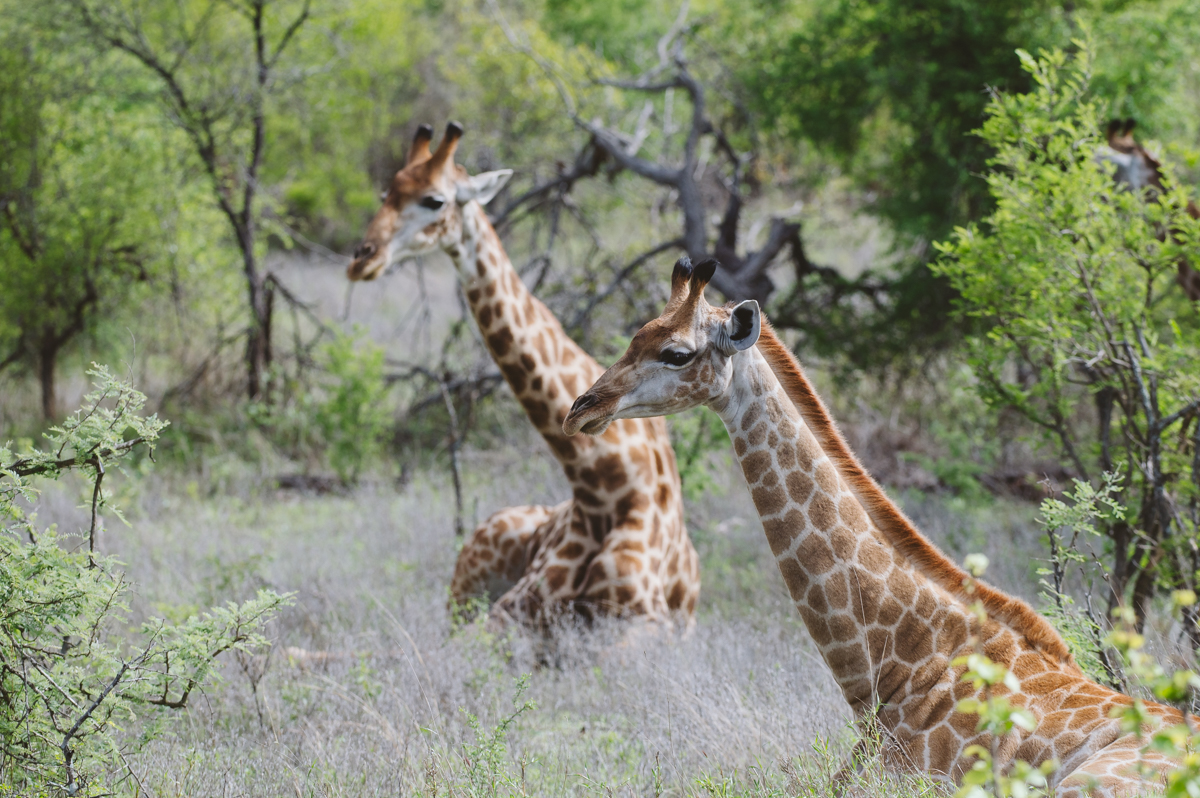
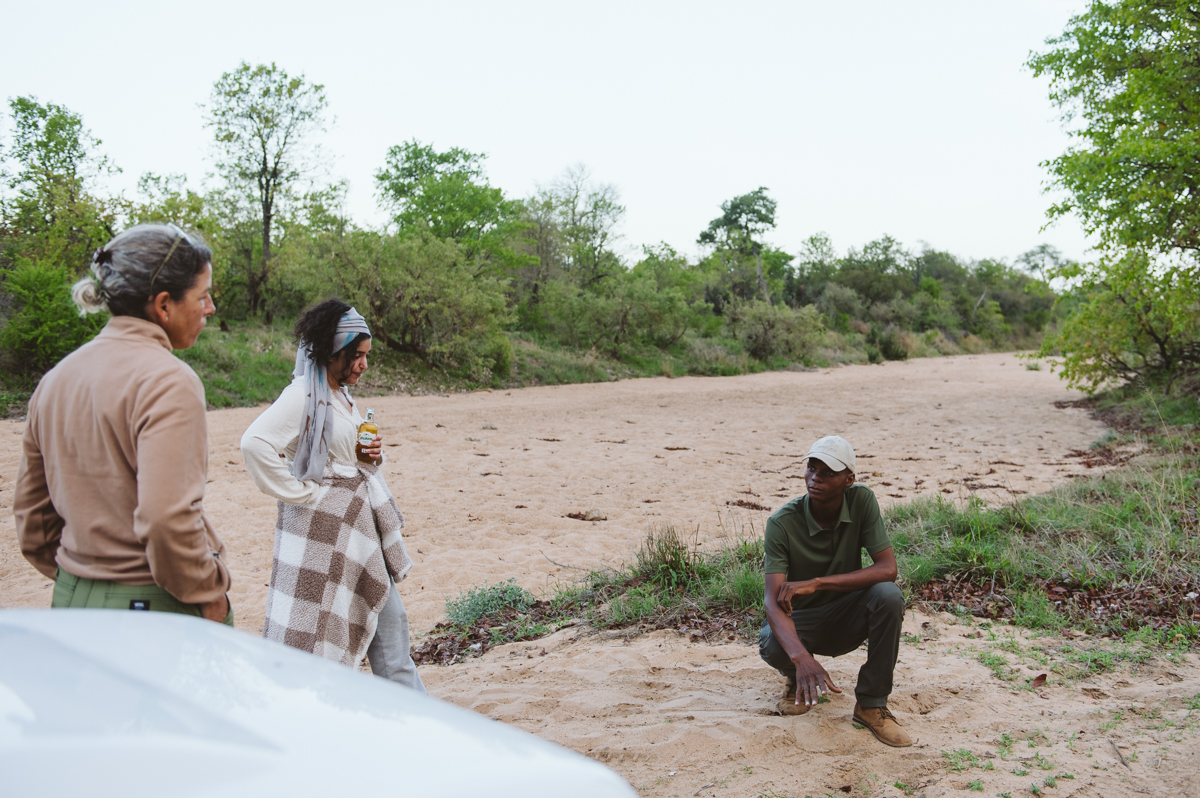
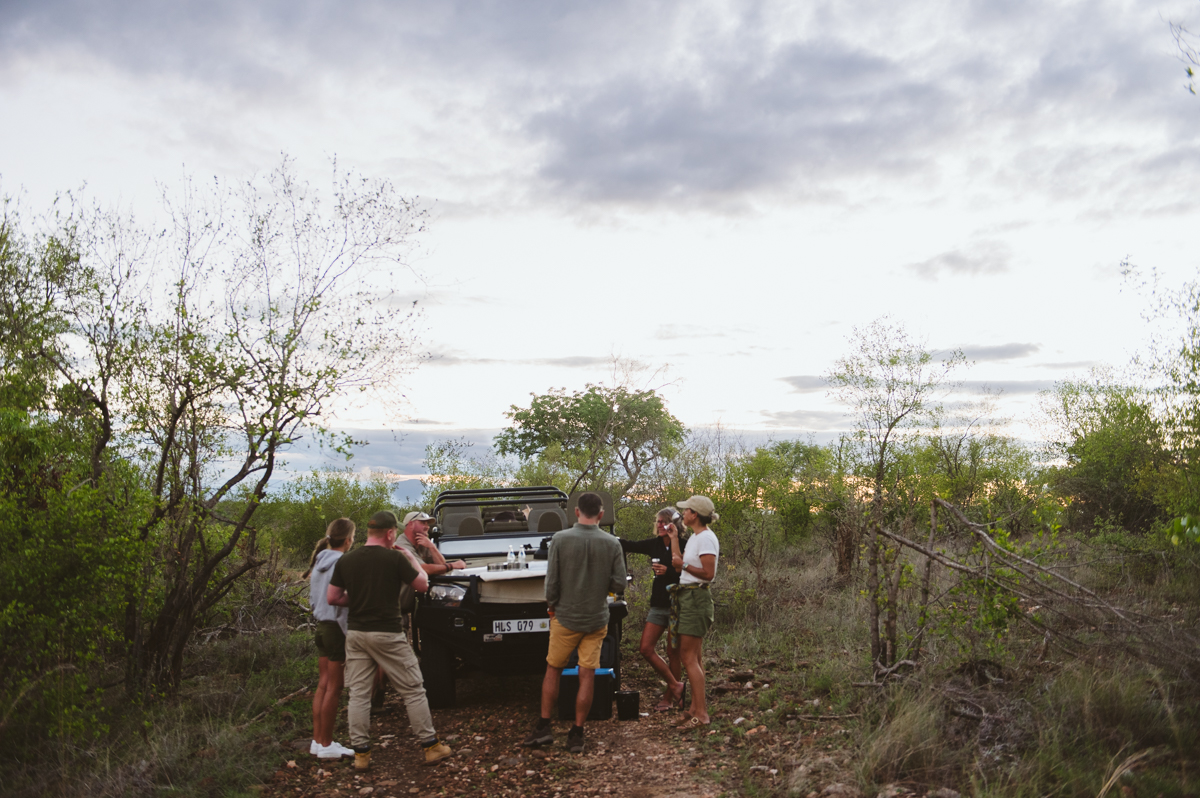
If you’d like a glimpse of this field trip — the lodges, wildlife, and routes we explored — you can view the photo collection here: