

Understanding Conservation Models
Wildlife experiences are an important part of travel in South Africa, and visitors will generally encounter two types of protected areas: government-run national parks and privately managed reserves.
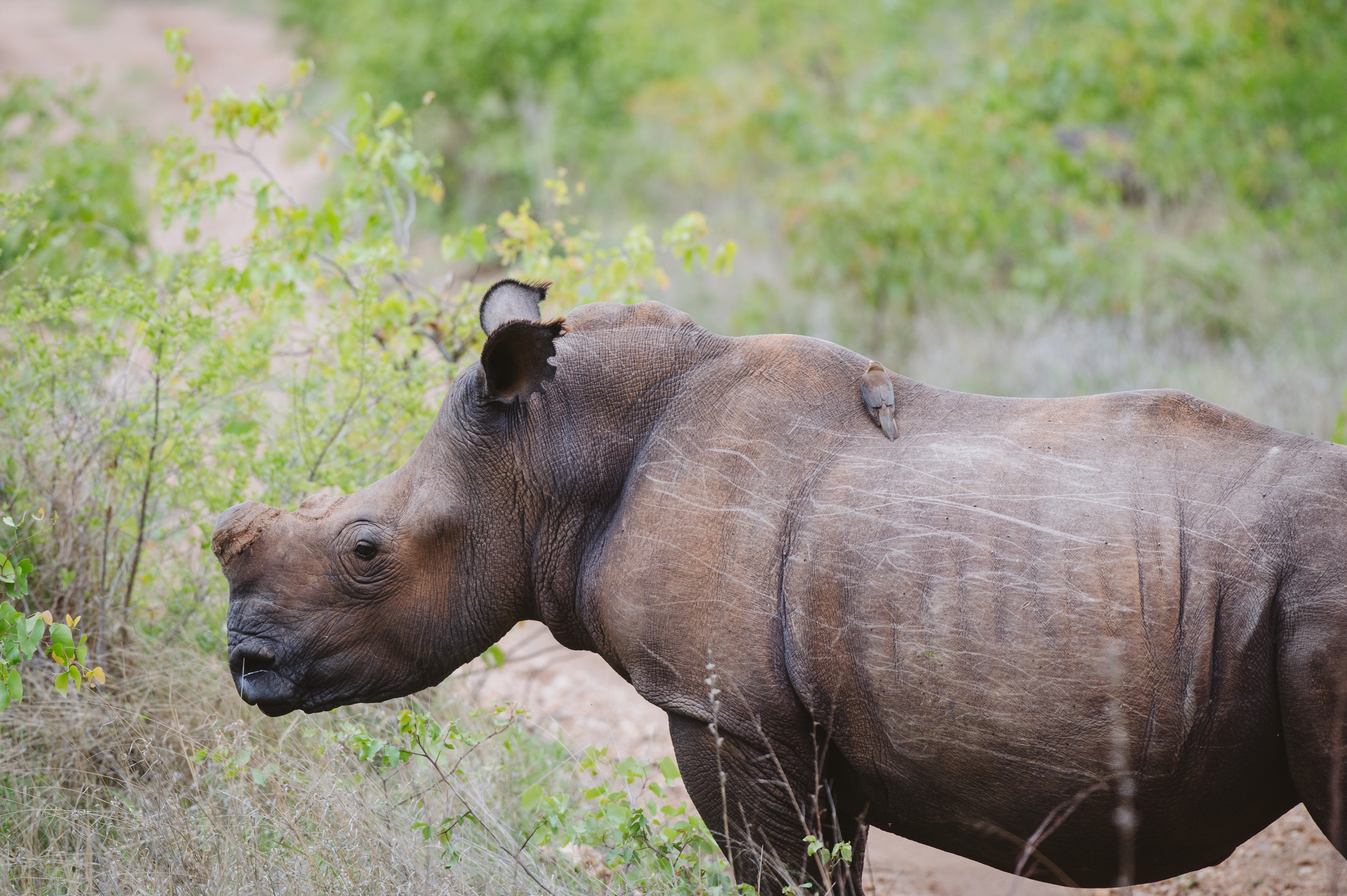
National parks, such as Kruger National Park and Hluhluwe-iMfolozi Park, are managed by government conservation authorities. These parks protect vast landscapes and wildlife and are usually explored on a self-drive basis, with visitors staying in park camps that offer simple accommodation and self-catering facilities.
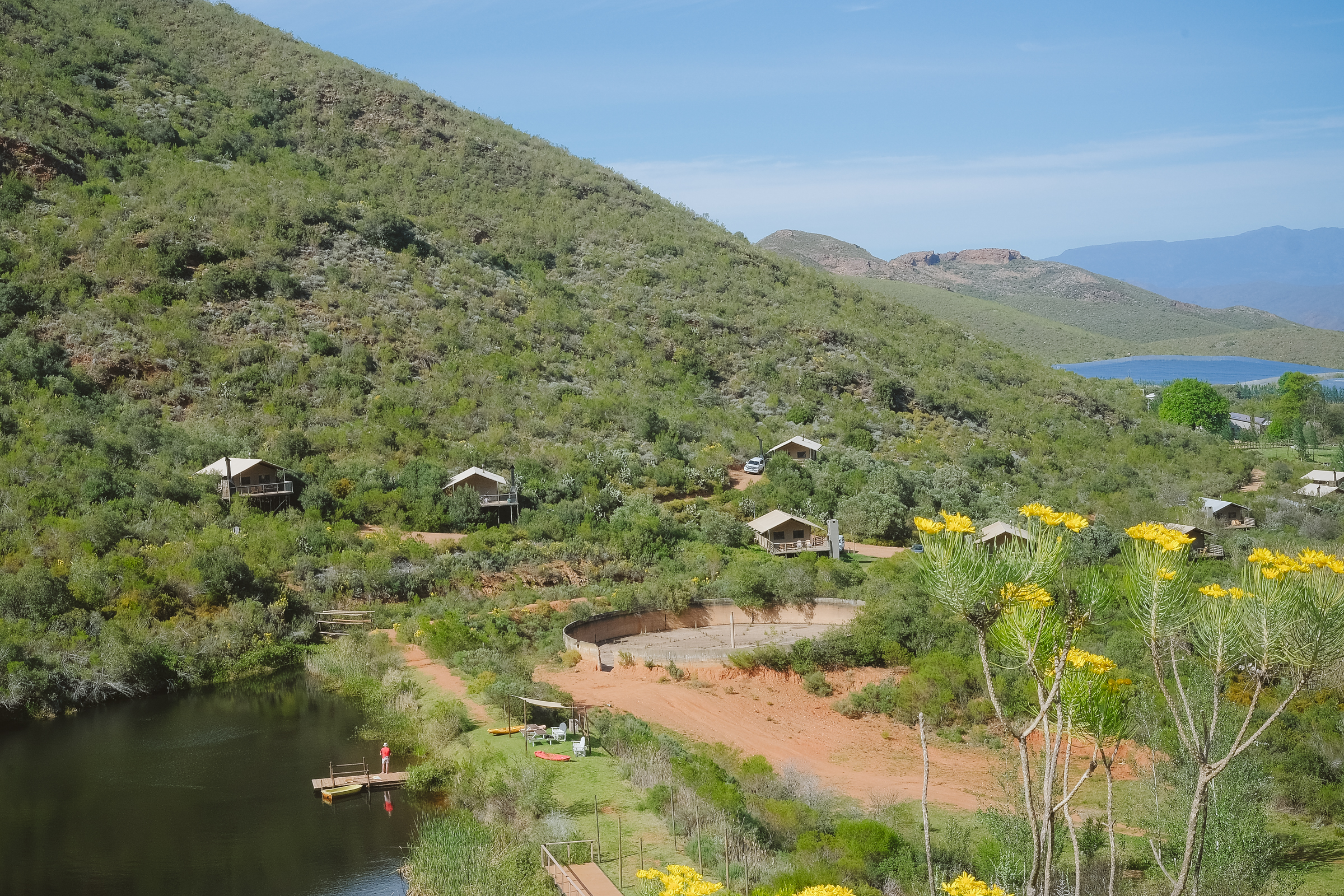
Alongside these are private game reserves, often located next to national parks and sometimes sharing unfenced boundaries with them. These reserves typically offer smaller lodges and guided safari experiences while also investing directly in conservation through anti-poaching work, wildlife monitoring and habitat protection.
Both models play an important role in protecting South Africa’s natural heritage.
Community and Local Impact
Responsible travel in South Africa is not only about wildlife.
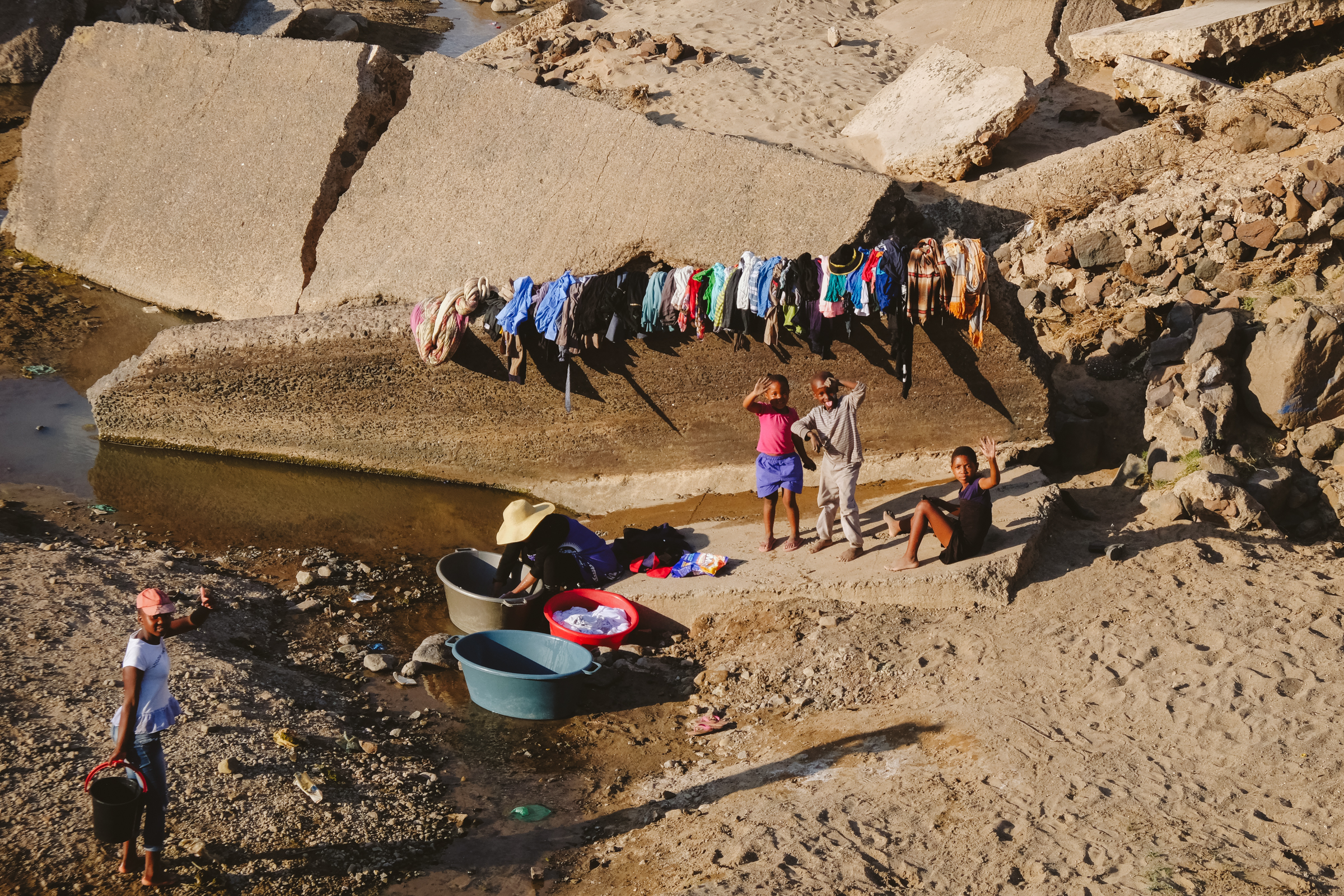
Across the country — from rural safari regions to coastal villages and urban neighbourhoods — tourism plays an important role in supporting local communities through employment, training and long-term development initiatives.
Some lodges and guesthouses are community-owned or structured around local partnerships. Others contribute through skills development programmes, education support or infrastructure investment.
Looking beyond marketing language and understanding who benefits from tourism revenue is an important part of travelling responsibly.
The Role of Experience
Responsible travel is also shaped by the type of experiences you choose.
A small lodge with limited vehicle numbers has a different environmental footprint from a large resort. Spending time in locally run guesthouses or small coastal properties can support regional economies. Travelling more slowly — staying longer in fewer places rather than constantly moving — can also reduce overall impact.
Responsible travel can also be reflected in how you experience local culture. In South Africa, that might mean lingering over a long lunch at a small wine estate in the Cape, visiting a local food market, or staying in a family-run guesthouse along the coast. These smaller, locally rooted places often offer a deeper connection while supporting the communities that shape the destination.
None of this requires sacrificing comfort. It simply involves being intentional about the choices you make along the way.
Avoiding Greenwashing
The word “sustainable” appears frequently in global tourism marketing. In South Africa, as elsewhere, it can sometimes be used loosely.
A few useful questions to ask include:
- How does this property contribute to conservation or environmental protection?
- Is there meaningful community involvement or local employment?
- Where does tourism revenue flow within the region?
- How are water and energy resources managed?
Responsible travel is not about perfection. It is about transparency and genuine effort.
Travelling Responsibly as a Family
Families sometimes assume that ethical travel is complicated or restrictive. In reality, it can be one of the most enriching ways to explore a destination.
Children and teenagers often connect deeply with places when they understand the stories behind them — whether that means learning about wildlife conservation, meeting local guides, or seeing how tourism supports communities.
Responsible travel, in this sense, adds context and meaning to the journey.