Safety
South Africa is sometimes perceived as very dangerous, but this image is often exaggerated. Most tourist areas, lodges, and national parks are safe when you follow local guidelines and the advice of your guides.
Like in many countries, it is important to stay vigilant, avoid displaying valuables, and follow local advice. Most travellers experience no issues whatsoever. Main tourist routes are generally in excellent condition.
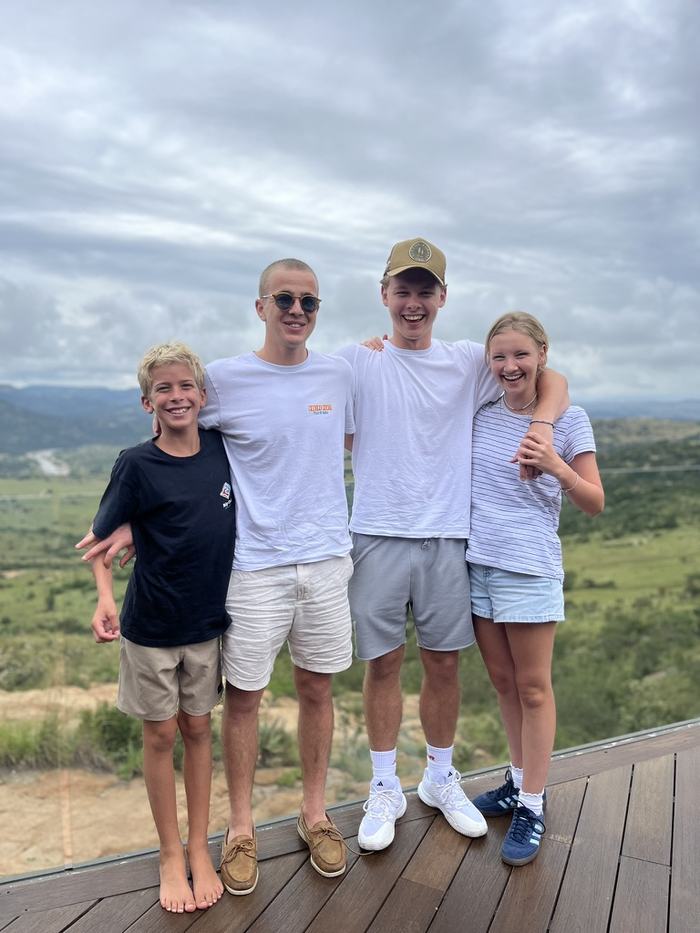
Absolutely. With family-friendly accommodations, experienced guides, and practical advice, you can travel with complete peace of mind. Lodges and safari reserves are well equipped to ensure the safety and comfort of children, allowing families to fully enjoy the experience.
Visas & Entry Requirements
For French and most EU citizens, no visa is required for a tourist stay of less than 90 days. You simply need a passport valid for at least 30 days after your departure date, with enough blank pages.
Yes. Children must meet specific administrative requirements depending on who they travel with:
- With both parents: valid passport + copy of birth certificate showing parent details.
- With one parent: valid passport + birth certificate + parental consent letter from the absent parent + copy of absent parent’s passport or ID + their contact details.
- If applicable: a court order granting full parental responsibility, or a death certificate of the deceased parent.
Health & Vaccinations
No vaccinations are required to enter South Africa. Vaccines for hepatitis A, typhoid, and routine immunisations are recommended. Yellow fever vaccination is only required if arriving from a country where it is endemic.
For most of South Africa, malaria risk is low or non-existent, and anti-malaria tablets are generally not necessary. Using mosquito repellent and wearing long clothing in the evenings is sufficient in most areas.
Transport & Getting Around
In South Africa, you drive on the left-hand side of the road. The driver’s seat is on the right, and overtaking is done on the right. Drivers must be 23 years or older with a valid licence and passport, no international permit required.
Yes, toll roads are common on highways between major cities and tourist areas. Credit cards from abroad are not accepted at toll booths, payment must be in cash (South African Rand) or with the e-tag provided with your hire car.
Direct flights from Paris take approximately 11 hours to Johannesburg and 11.5–12 hours to Cape Town. South Africa operates on UTC+2 year-round (no daylight saving time), so the time difference with France is +1h in winter and 0h in summer.
Safari
Safaris are possible year-round — it depends on what you’re looking for.
- May to September (dry season): Best for wildlife viewing. Vegetation is sparse, animals gather at waterholes. Sunny, mild days and chilly nights.
- October to April (green season): Lush landscapes, newborn animals, migratory birds, dramatic storms. Perfect for photography.
Absolutely. Many lodges offer child-friendly safaris with experienced guides who make wildlife and nature fascinating for all ages. Some lodges have minimum age restrictions — My African Routes works closely with each family to select the right lodge, ensuring a safe and memorable adventure for everyone.
Beaches
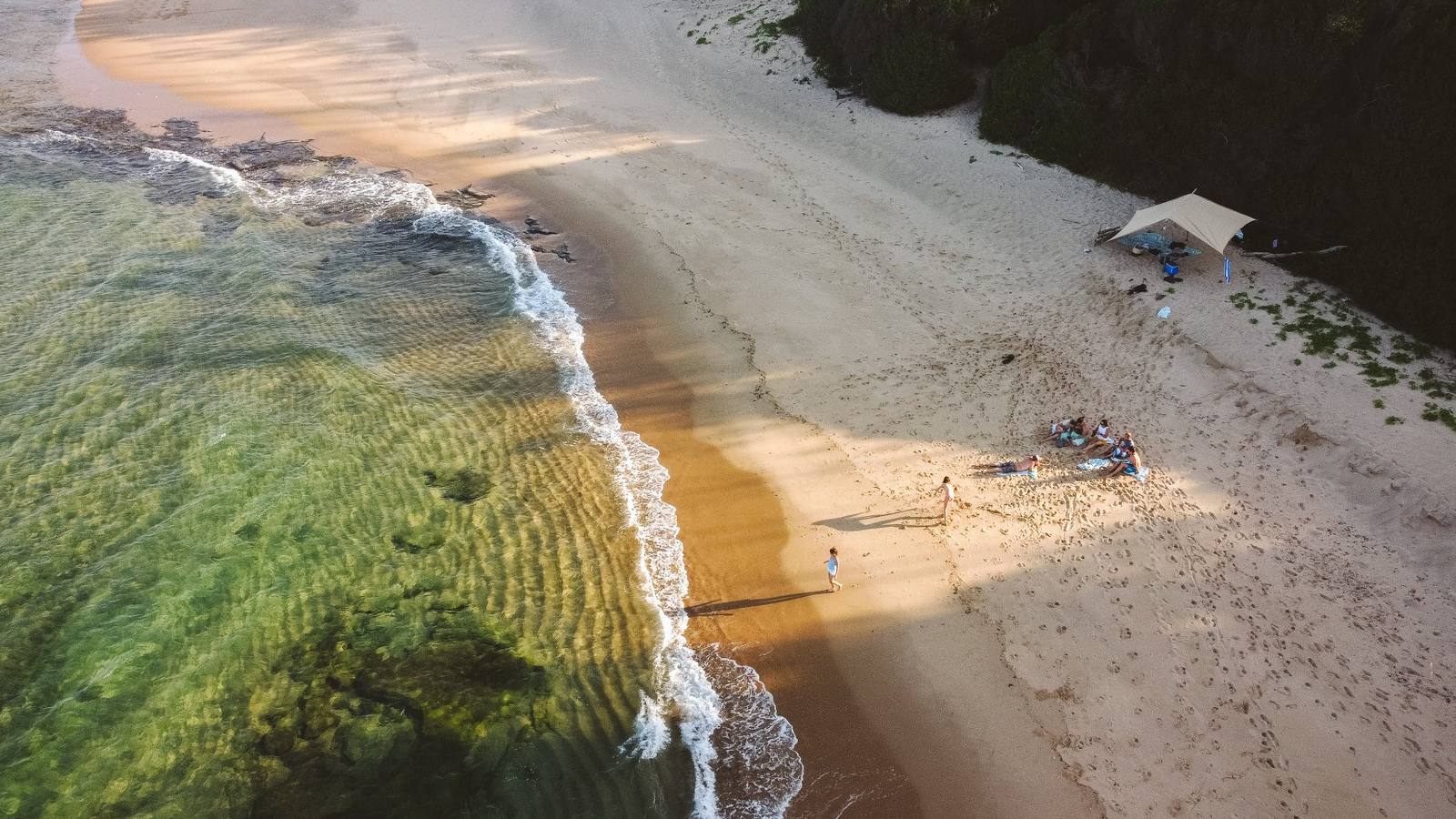
Yes, and the options are wonderfully diverse:
- KwaZulu-Natal (Durban, South Coast): warm Indian Ocean (23–28°C), ideal for swimming and snorkelling.
- Eastern Cape (Jeffreys Bay, Wild Coast): cooler waters (18–22°C), great for surfing and quieter beaches.
- Western Cape (Cape Town, Garden Route): cooler Atlantic (14–20°C), stunning coastal hikes and iconic beaches like Camps Bay.
Yes, this is one of the most popular combinations. After a safari in Kruger or a private reserve, travelling to KwaZulu-Natal or the Eastern Cape for warm water and beach relaxation makes for a beautifully balanced itinerary. My African Routes specialises in crafting exactly these seamless journeys.
Surfing
South Africa is a world-class surfing destination:
- Jeffreys Bay (J-Bay), Eastern Cape: one of the best right-hand point breaks in the world. Peak season June–August.
- Western Cape: year-round surf. Muizenberg for beginners, Big Bay and Kommetjie for experienced surfers.
- KwaZulu-Natal: warm water, consistent beach breaks. Best March–September.
Food & Cuisine
South African cuisine is wonderfully diverse, reflecting the country’s many cultures. You will find everything from world-class fine dining in Cape Town and Johannesburg to hearty braais (barbecues), Cape Malay curries, and fresh seafood along the coast.
Game meat such as kudu, springbok and ostrich feature on many safari lodge menus. Most lodges include all meals, offering a wonderful opportunity to try local flavours in beautiful surroundings.
South Africa produces exceptional wines, particularly from the Winelands region around Stellenbosch, Franschhoek and Paarl — just 45 minutes from Cape Town. A wine tour or cellar visit is a highlight for many travellers. The Sauvignon Blancs, Chenin Blancs and Pinotage are particularly worth seeking out.
Money & Budget
The local currency is the South African Rand (ZAR). The current exchange rate is approximately 1 € ≈ 20–21 ZAR. Reliable ATM networks include Nedbank, Standard Bank, Capitec, and FNB. Plan to carry between R4,000–R6,000 in cash for tips and small purchases.
Every itinerary is different. As a guide, a well-rounded 12-day family trip including domestic flights, car rental, accommodations with meals, and safaris typically starts from around €2,500 per person (excluding international flights).
Tipping
Tipping is common practice and genuinely important to service workers. Here are the standard guidelines:
- Safari guides: R300 per day
- Lodge staff (communal tip box): ~R200 per day
- Restaurant servers: 10–15% of the bill
- Petrol station attendants: R5–R10
- Car guards: R5–R10 if they assist you
Language
English is the primary language used across lodges, hotels, and by guides throughout South Africa. Many guides also speak local languages, and in some areas, French-speaking guides can be arranged on request. If this matters to you, let Mary-Lou know — it will be built into your itinerary.
Connectivity
A local SIM card is recommended for navigation, WhatsApp and local calls. Vodacom and MTN are the two main operators with the best coverage in tourist areas and national parks. Prepaid SIM cards are available at the airport and in supermarkets from around R30.
Climate & Seasons
South Africa is a year-round destination, but each season offers a different experience:
- Summer (Oct–Apr): warm and sunny in most regions, wet season in some areas. Ideal for Cape Town and the Garden Route.
- Winter (May–Sep): dry season in the bush, perfect safari conditions. Mild and sunny in the Cape (but rainy on the Atlantic coast).