The term “travel designer” has been gaining ground, but it still confuses people — and understandably so. Is it just a travel agent with a better job title? A luxury concierge? A personal assistant who books hotels? None of these, exactly. The difference is worth understanding, because it changes what kind of trip is actually possible.
Not a travel agent. Not a tour operator.
A travel agent sells travel products — flights, hotels, package tours — that already exist. Their value is access and convenience. A tour operator creates group itineraries that are then sold to many different clients, optimised for scale rather than specificity. Both have their place. Neither is what a travel designer does.
A travel designer starts with a conversation — not a catalogue. The job is to understand who you are as a traveller: what bores you, what excites you, what you have already seen and what you are specifically trying to find. From that understanding, a trip is built from scratch. Not adapted from a template. Not selected from a dropdown menu. Built, with the particular details of your trip in mind, using a network of relationships with properties and guides that no booking platform can replicate.
The places you wouldn’t find on your own
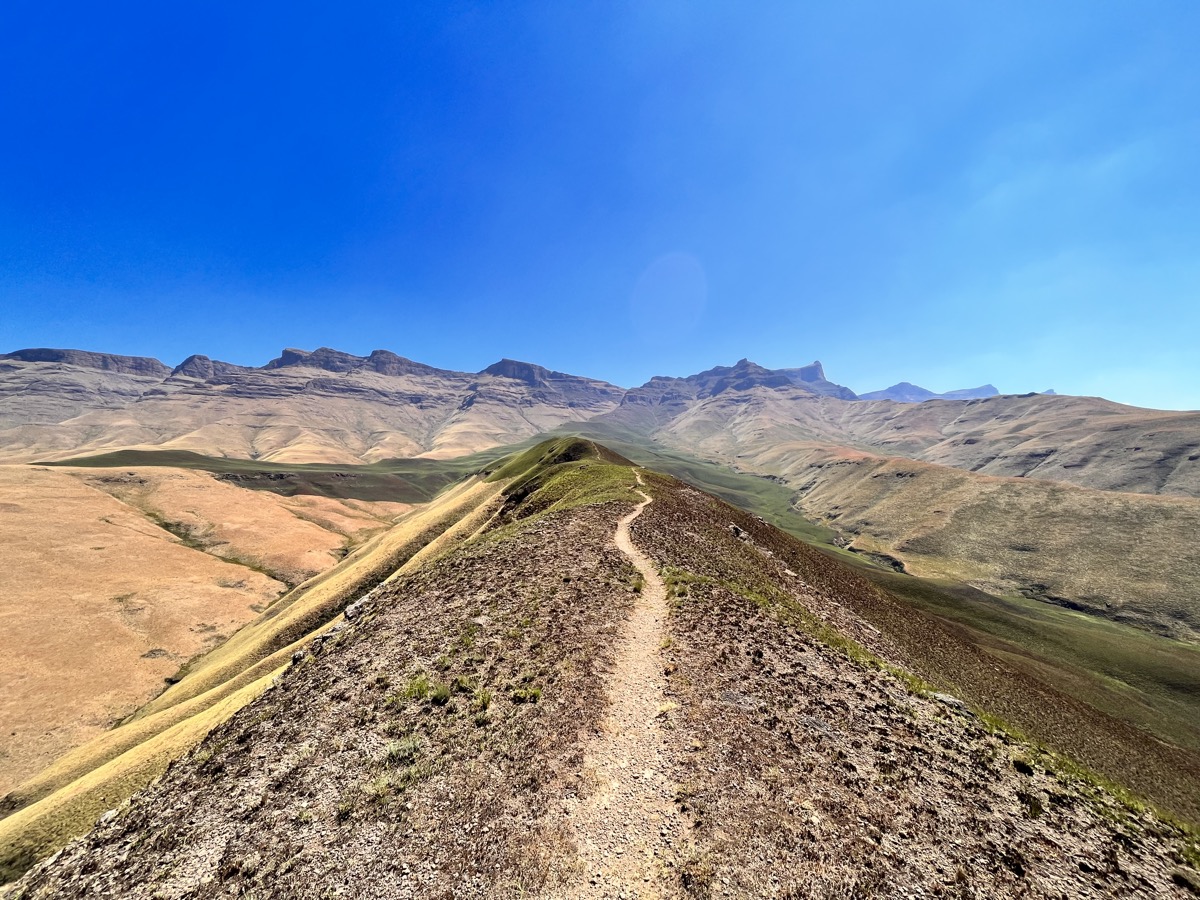
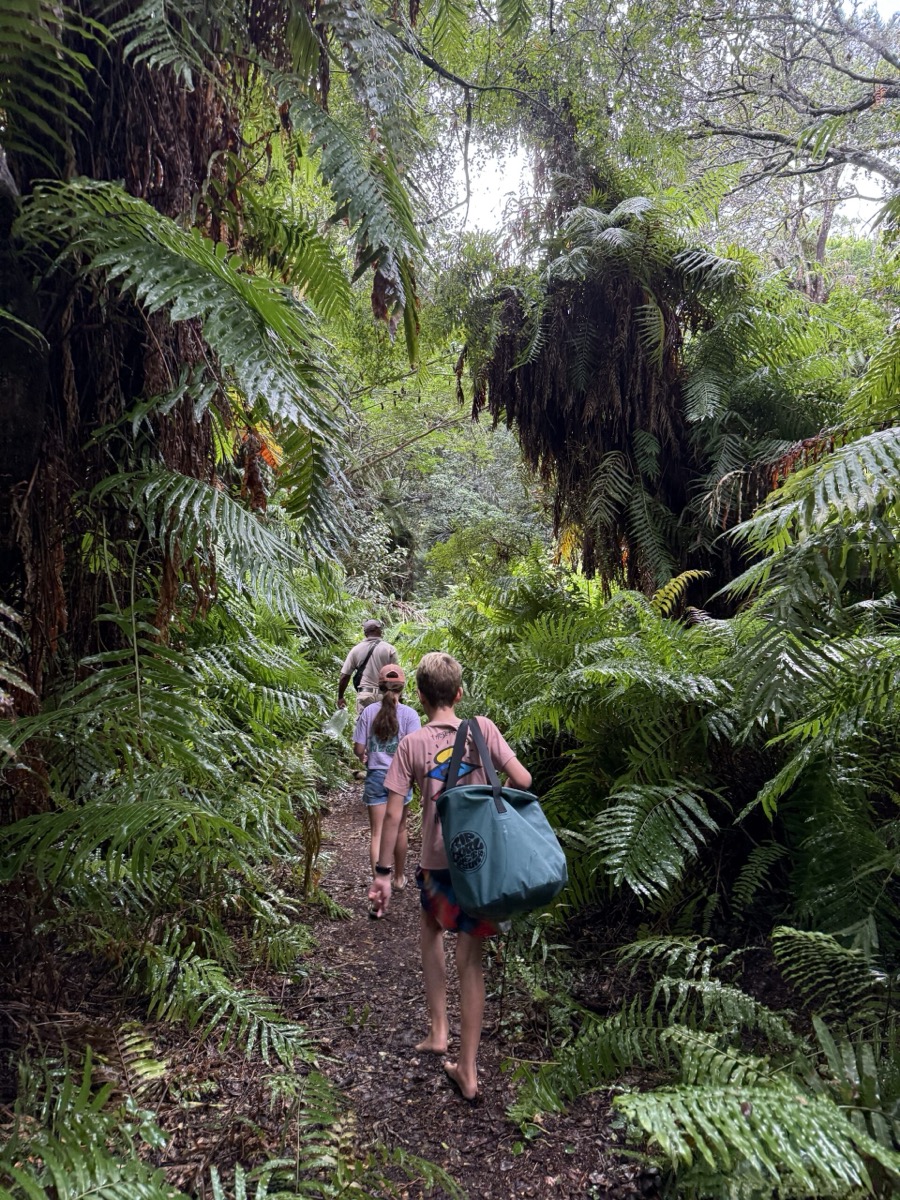
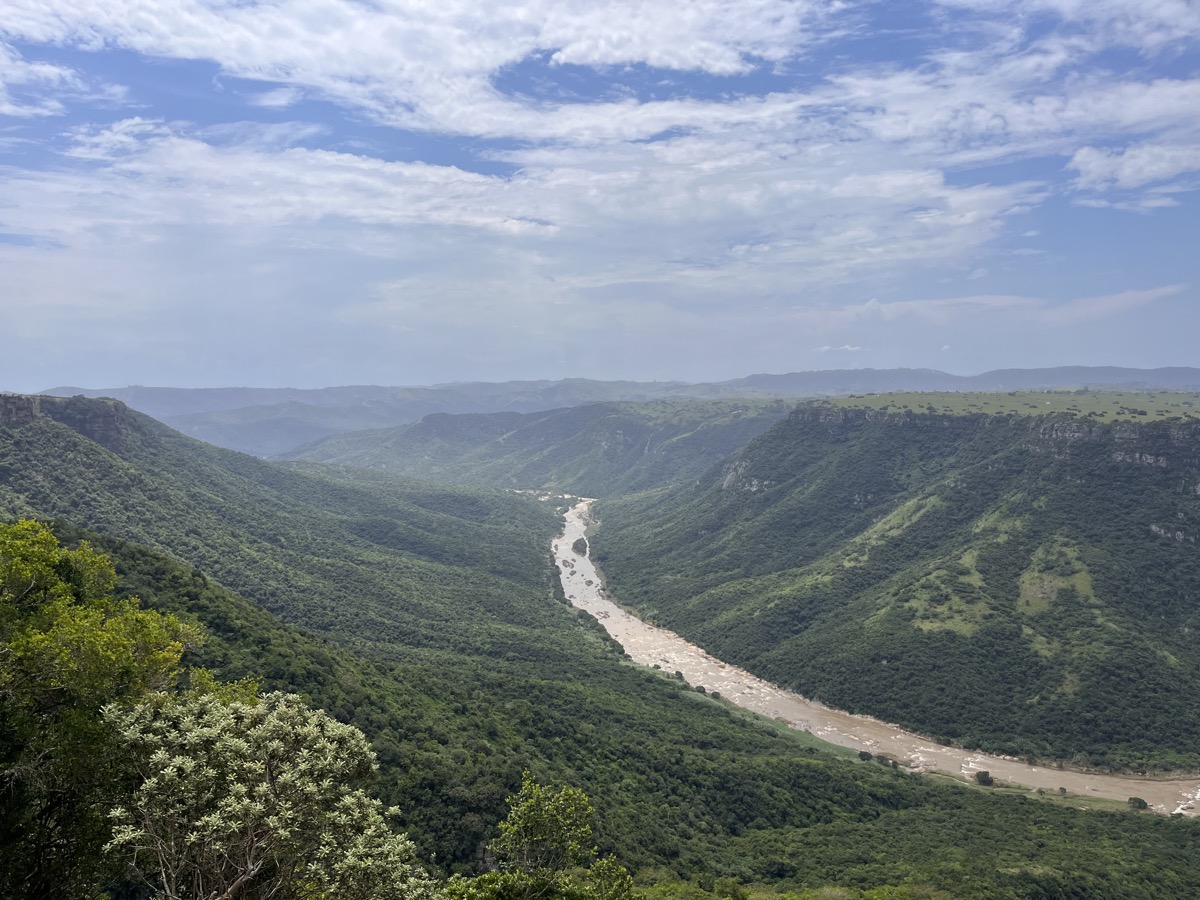
South Africa is a large country with a great deal of visible infrastructure — well-reviewed lodges, signposted routes, easy car hire. It is possible to plan a perfectly good trip independently. But the places that make a trip genuinely exceptional are rarely the ones that appear first in a search result.
They are the private concession that does not advertise, the viewpoint that requires local knowledge to reach, the small family-run lodge in KwaZulu-Natal that has been operating for thirty years and that guests return to because nothing else in the region comes close. A travel designer knows these places not from research but from having been there — and from relationships with the people who run them.
The people who make it real
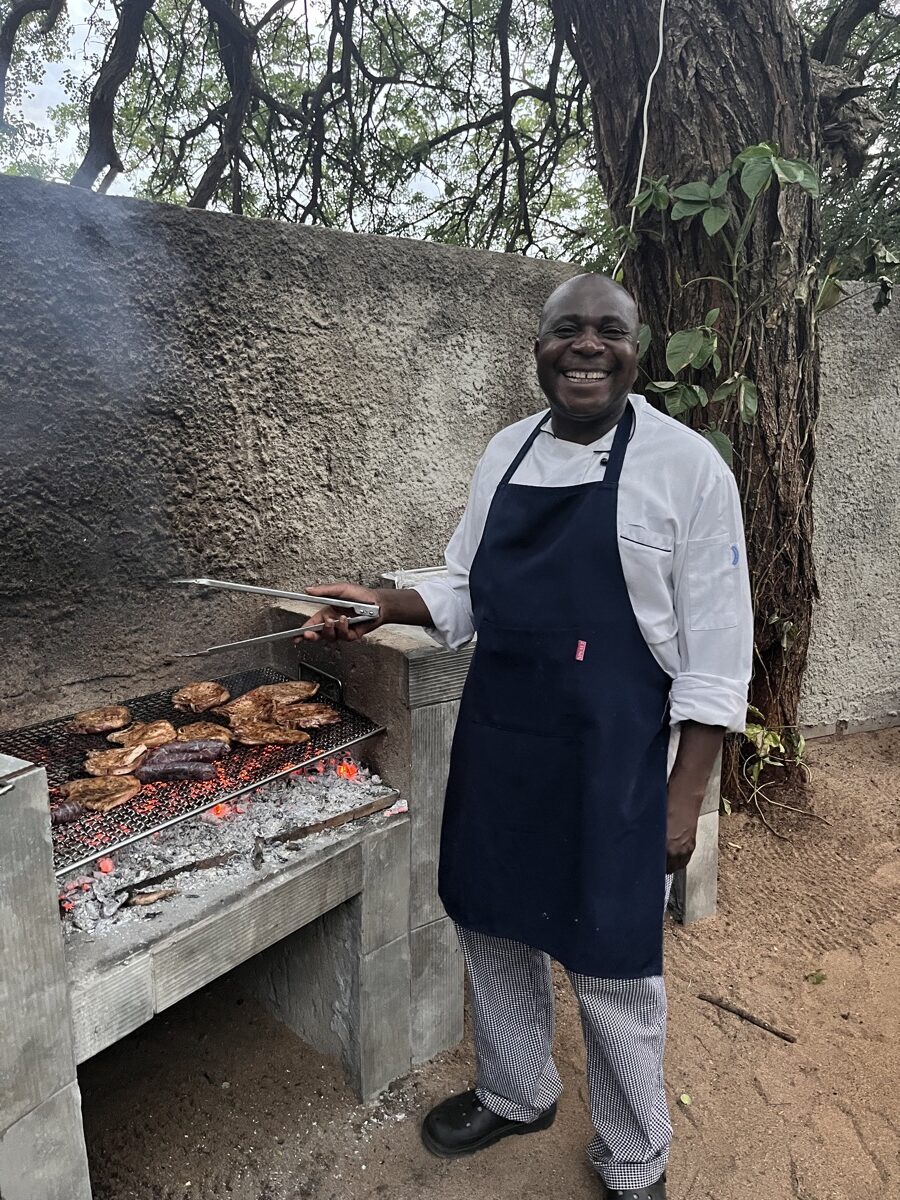
The most memorable moments of a South African trip are almost never the logistics. They are the encounters — the guide who spent an hour explaining what a single termite mound reveals about the ecosystem, the chef who had been cooking on that same fire for twenty years and whose food tasted like it, the host at the small wine farm who opened a bottle that was not on the list because you had asked the right question.
A travel designer knows who these people are. The network is not a database of suppliers — it is a set of genuine relationships built over years of visiting, returning, and paying attention. When a client arrives at a property through a travel designer who has that relationship, the experience is categorically different from arriving as a stranger who booked online.
What the process actually looks like
A first conversation with a travel designer is not a sales call. It is closer to a brief: what are you trying to experience, what have you already done, what are your non-negotiables, what genuinely does not interest you. The more honest that conversation is, the better the trip that comes out of it.
From there, a proposal is built — not a menu of options, but a considered itinerary with a specific logic to it. Why these regions in this order. Why this lodge and not that one. Why this time of year. Why this guide. The reasoning matters as much as the recommendation, because a client who understands why a trip is structured as it is will get more out of it than one who simply follows a schedule.
Once the trip is confirmed, the travel designer remains the point of contact for everything that happens on the ground. Not a call centre. Not a generic emergency number. The person who built the trip and who knows the people involved — which is exactly who you want on the other end of the phone if something changes.
What you actually gain
The practical answer is time and confidence: time not spent researching, cross-referencing reviews, and trying to work out which options are genuinely good versus which ones have simply been marketed well. Confidence that the decisions behind the trip have been made by someone with direct knowledge, not a best guess.
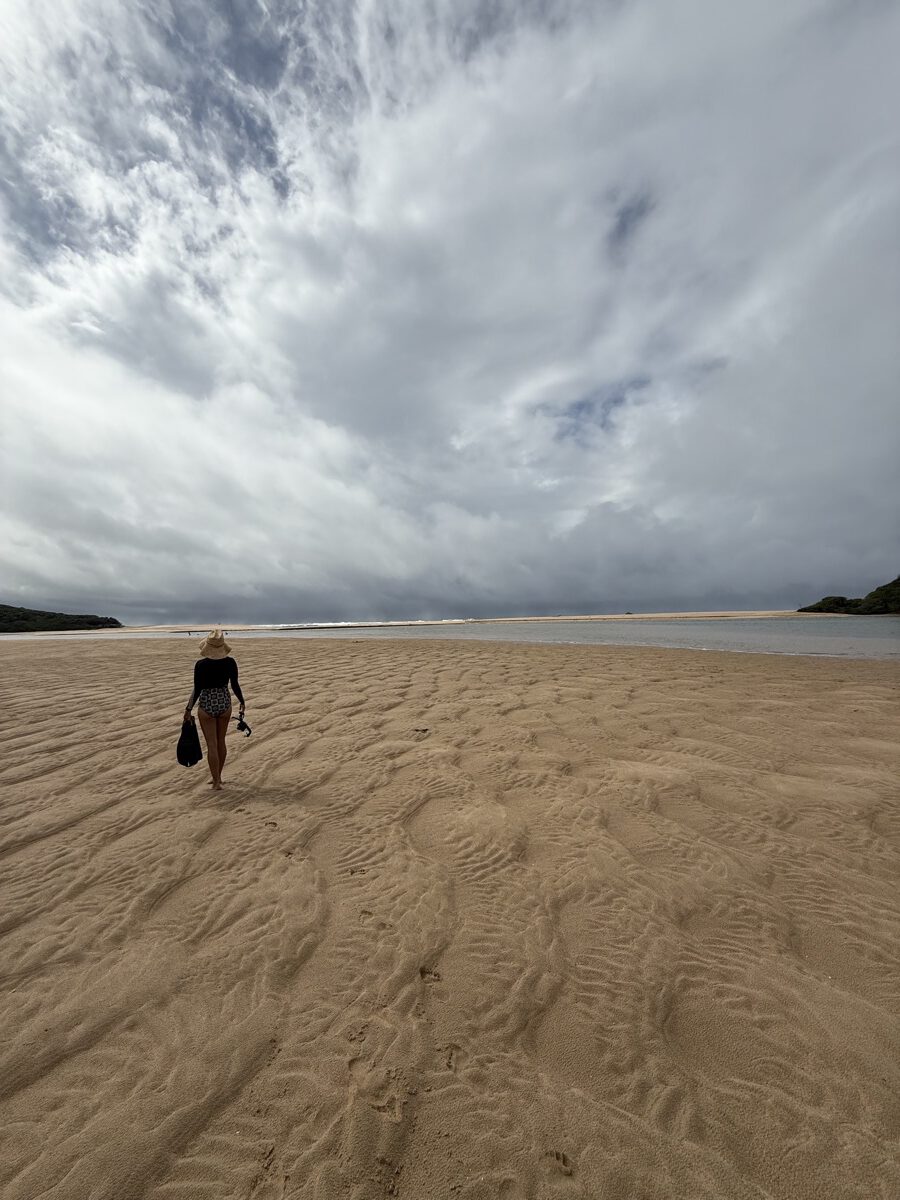
But the less practical answer is the more honest one. A well-designed trip gives you back the thing that travel is supposed to provide in the first place: the ability to be fully present somewhere, without the noise of logistics running in the background. To walk out onto an empty beach and have nothing to organise, nothing to check, nothing to second-guess. Just the place, and you in it.