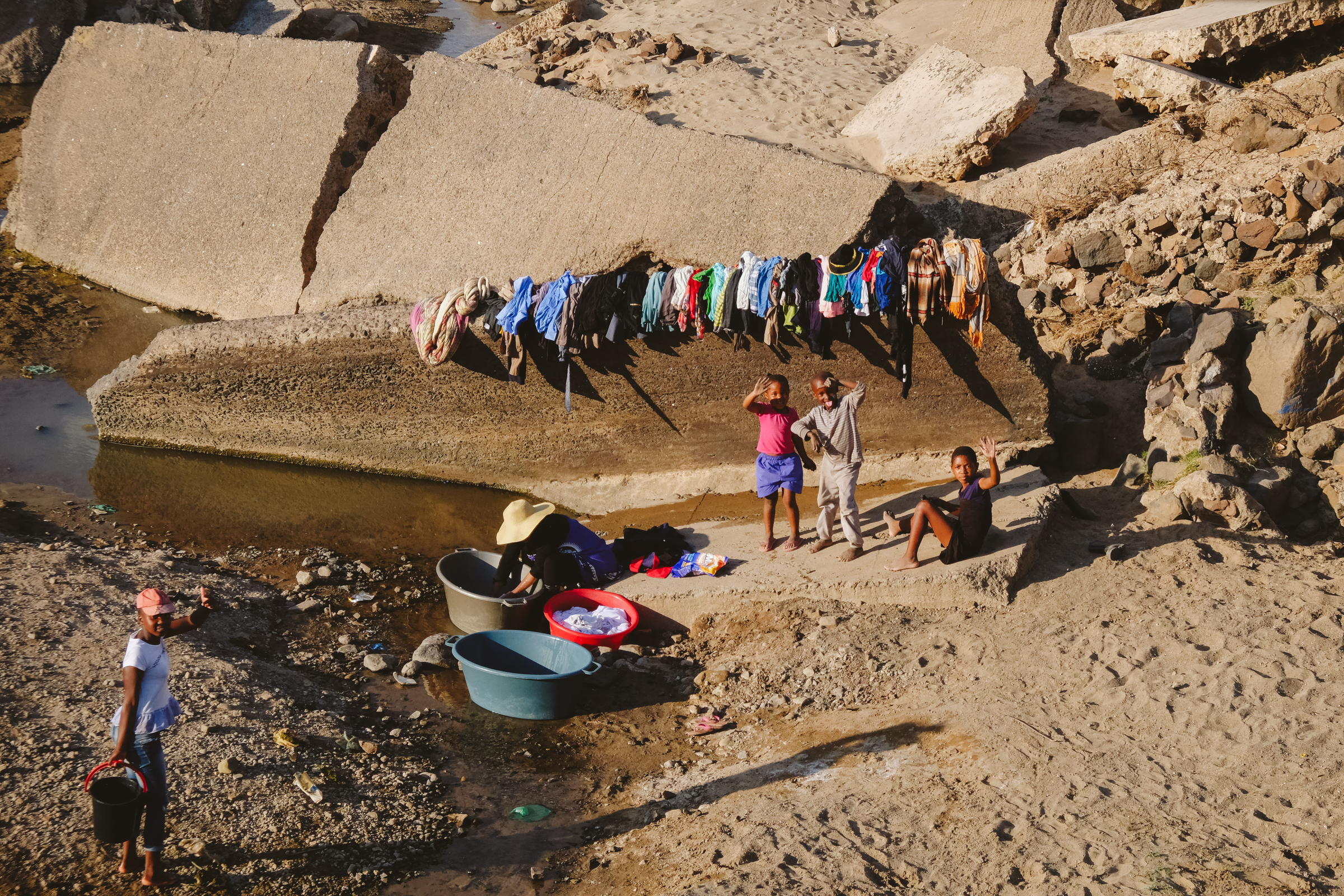
South Africa is a country of extraordinary beauty and profound inequality. These two realities sit side by side, and any honest account of travelling here has to acknowledge both. Responsible travel is not a marketing label — it is a series of concrete choices that either support or undermine the communities and ecosystems that make this country remarkable.
So what does it actually mean in practice?
Where your money goes
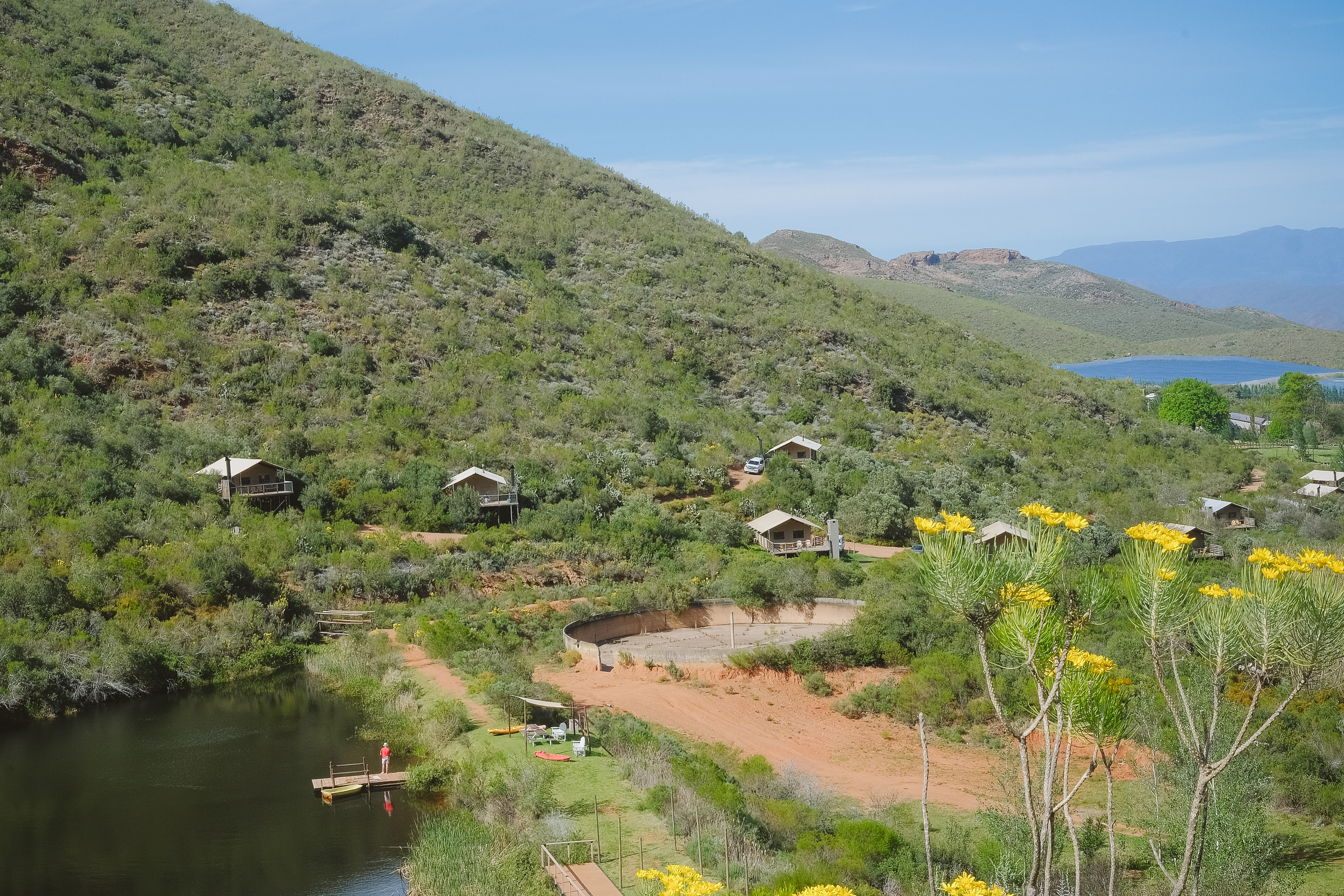
The most direct way to travel responsibly is to ensure that the money you spend stays in the communities you visit. This means choosing locally-owned lodges and guesthouses over international chains, eating at restaurants that source from nearby farms, and buying crafts directly from the makers rather than from airport gift shops where margins go elsewhere entirely.
It also means being willing to pay fairly. Bargaining aggressively in communities where income is already scarce is not a sign of savvy travel — it is a transfer of value in the wrong direction. A fair price paid to a craftsperson or a local guide is one of the most direct forms of impact a visitor can have.

Slowing down
Responsible travel also means slowing down. Trying to cover too much ground in too little time increases your carbon footprint, reduces your depth of experience, and channels money through airports and motorways rather than into the communities between destinations.
South Africa rewards those who linger. A week in the Eastern Cape is worth more — to you and to the region — than a day en route between Cape Town and Johannesburg. The landscapes are deeper, the encounters more genuine, and the economic benefit more locally concentrated when you stay longer in fewer places.
Wildlife and conservation
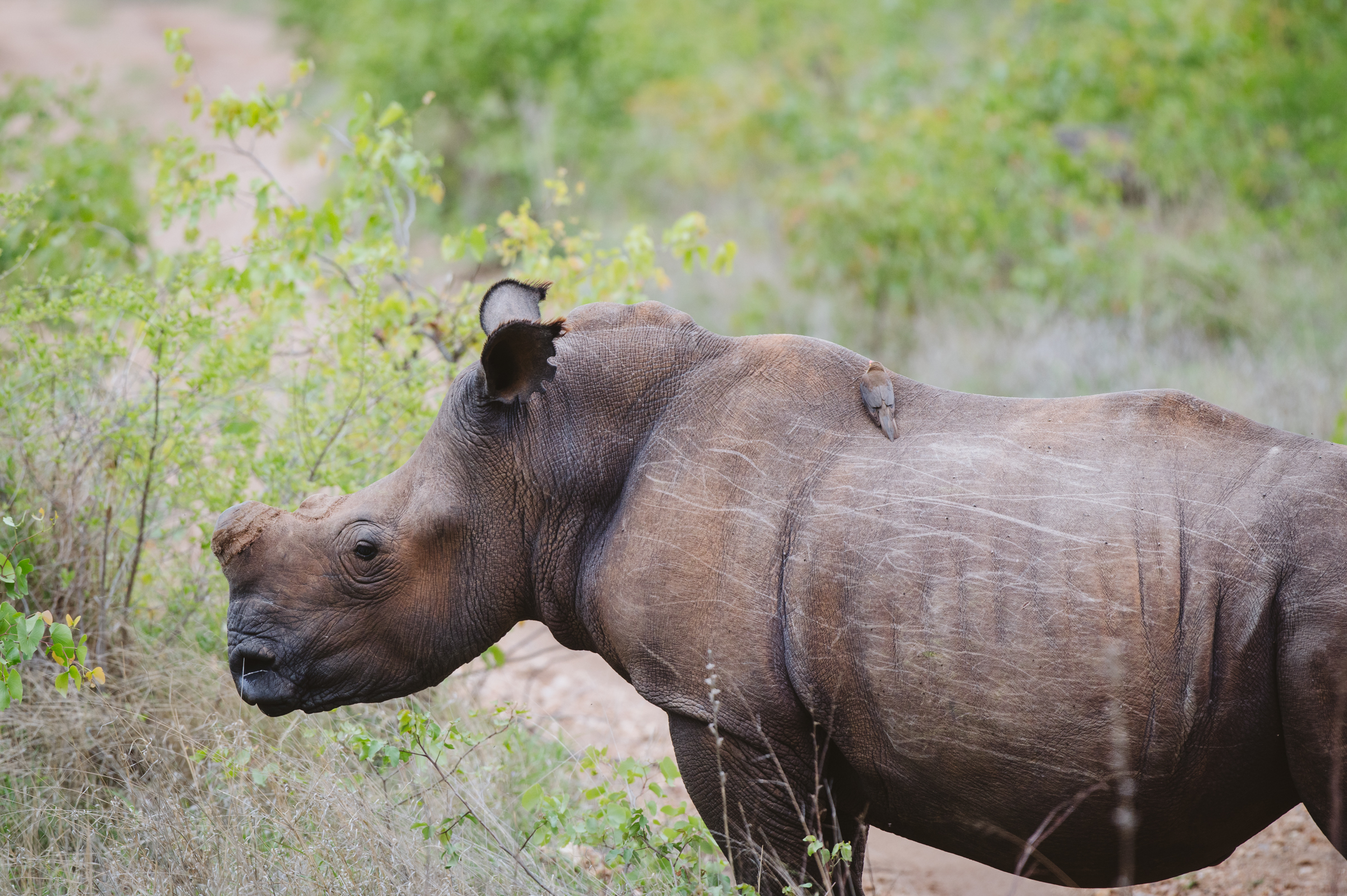
South Africa is home to some of the most biodiverse landscapes on the planet, and wildlife tourism — when structured well — is one of the most powerful tools for conservation available. Private game reserves that depend on tourism revenue have a direct financial incentive to protect their ecosystems. That connection between visitor spend and habitat preservation is real.
But not all wildlife experiences are equal. Walking with lions bred in captivity, visiting poorly run “sanctuaries”, or choosing reserves that prioritise density of sightings over quality of ecosystem — these choices actively harm the conservation outcomes they claim to support. Doing the research, or working with someone who already has, matters here.
The Eastern Cape model
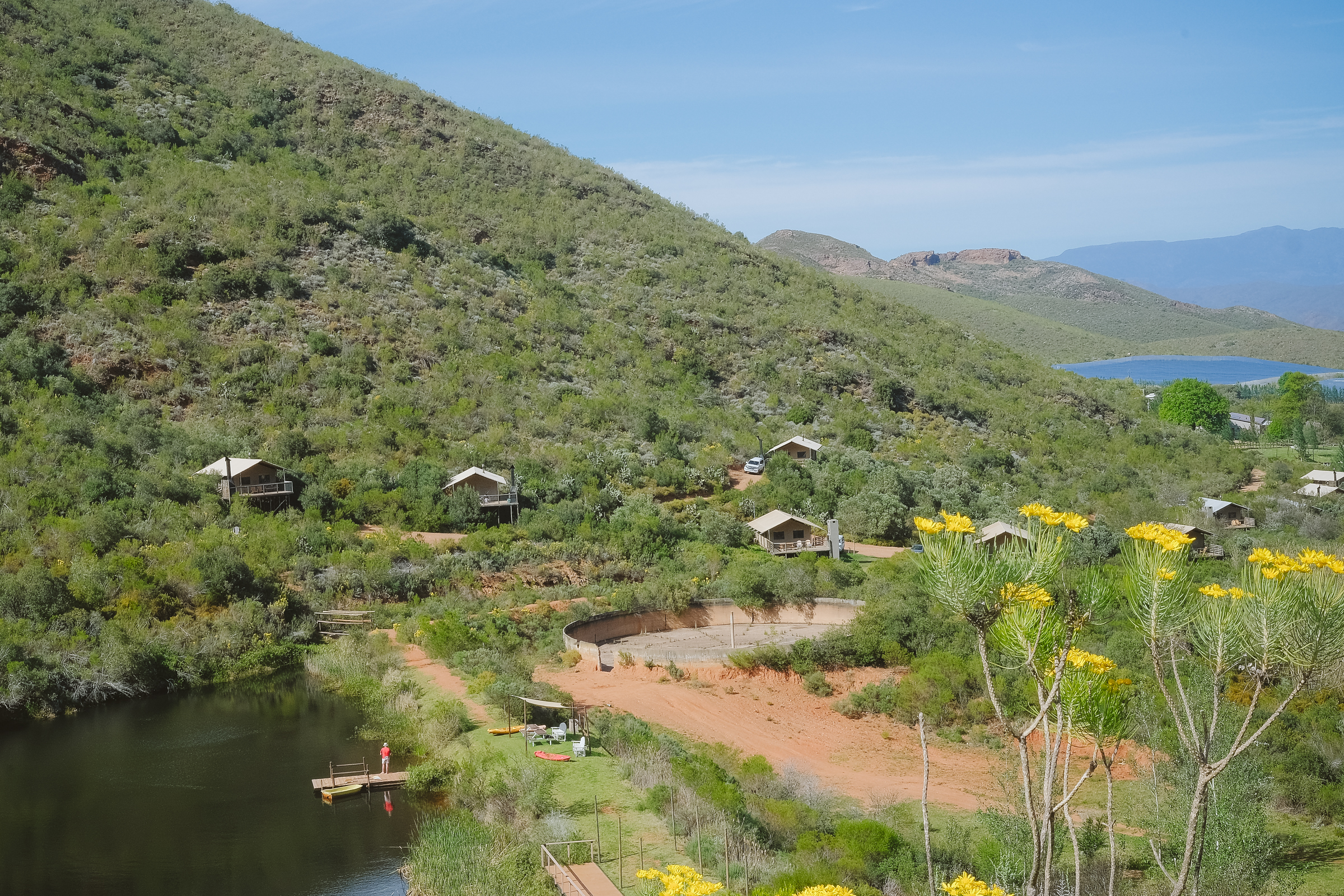
The Eastern Cape offers one of the clearest examples of what responsible tourism can look like at scale. Game reserves here were built on land that was once overgrazed and ecologically degraded. Over decades, private conservation has restored habitats, reintroduced species including the Big Five, and created employment in communities that had very few economic alternatives.
The result is landscapes of extraordinary integrity — and a model of tourism where the visitor experience and the conservation outcome are genuinely aligned. When you stay at a well-run lodge in the Eastern Cape, your presence is not a compromise. It is part of what makes the ecosystem viable.
What it means for how you plan
None of this requires perfection. It requires attention. Ask where your food comes from. Check whether the lodge you are considering employs people from the surrounding community and at what level. Ask what conservation projects they contribute to and how. These questions are not unwelcome — good operators are proud to answer them.
Responsible travel in South Africa is ultimately about choosing depth over speed, local over multinational, and quality of experience over volume of destinations. Done this way, it is also, consistently, the better trip.