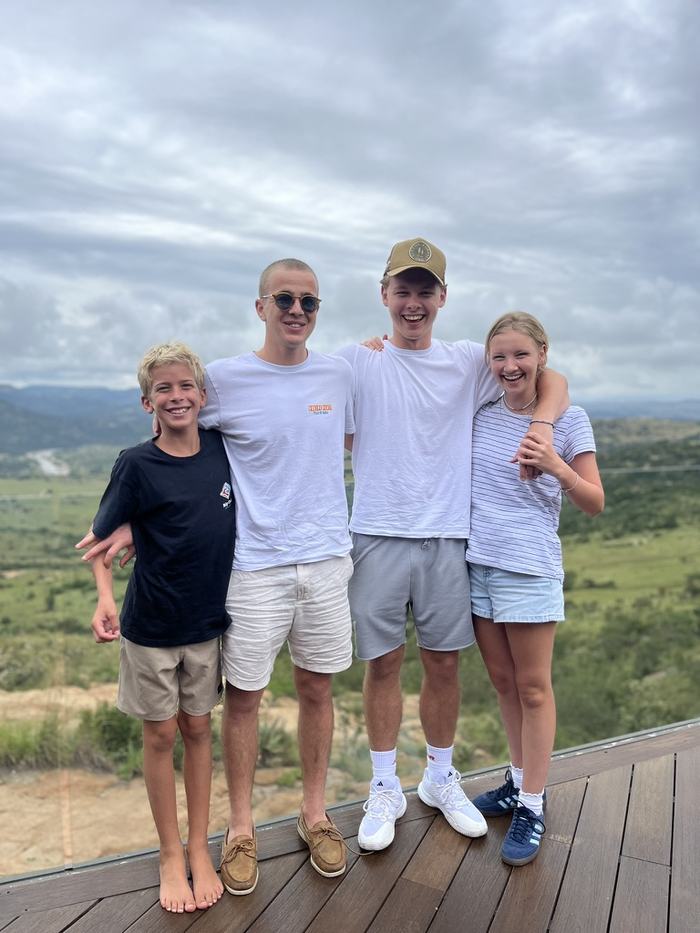
Hluhluwe-iMfolozi is a national park in KwaZulu-Natal, about 280km north of Durban. Proclaimed in 1895, it’s the oldest game reserve still protected anywhere in Africa, and the place where the white rhino was pulled back from the brink of extinction in the 20th century. The Big Five roam across nearly 96,000 hectares of hills and savanna.
A bit of history: Africa’s oldest reserve
Long before colonization, Zulu kings, including Shaka, had already put hunting rules in place across this game-rich territory. The reserve was officially proclaimed in 1895, making it the oldest still-active reserve on the continent. Today it’s made up of two historically distinct sections — Hluhluwe in the north, hillier and more wooded, and iMfolozi in the south, more open and savanna-like — joined by a corridor since 1989.
Operation Rhino: how this park saved the white rhino
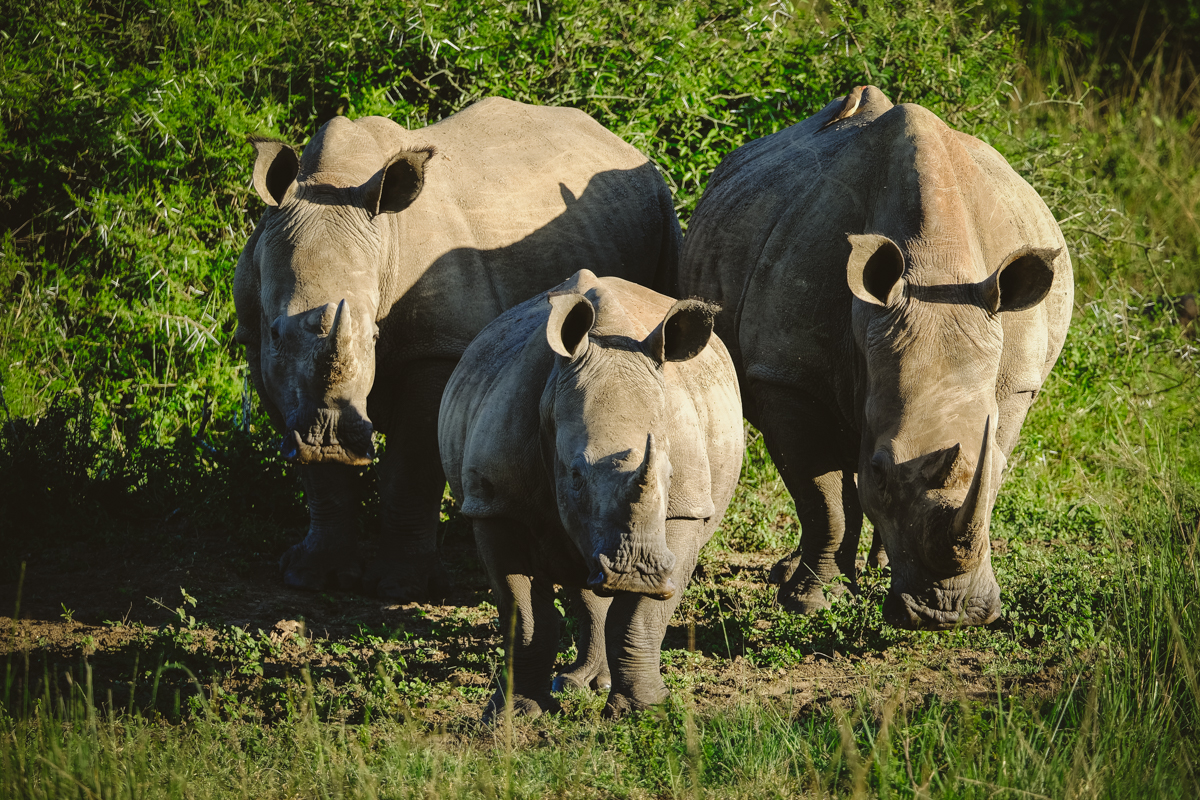
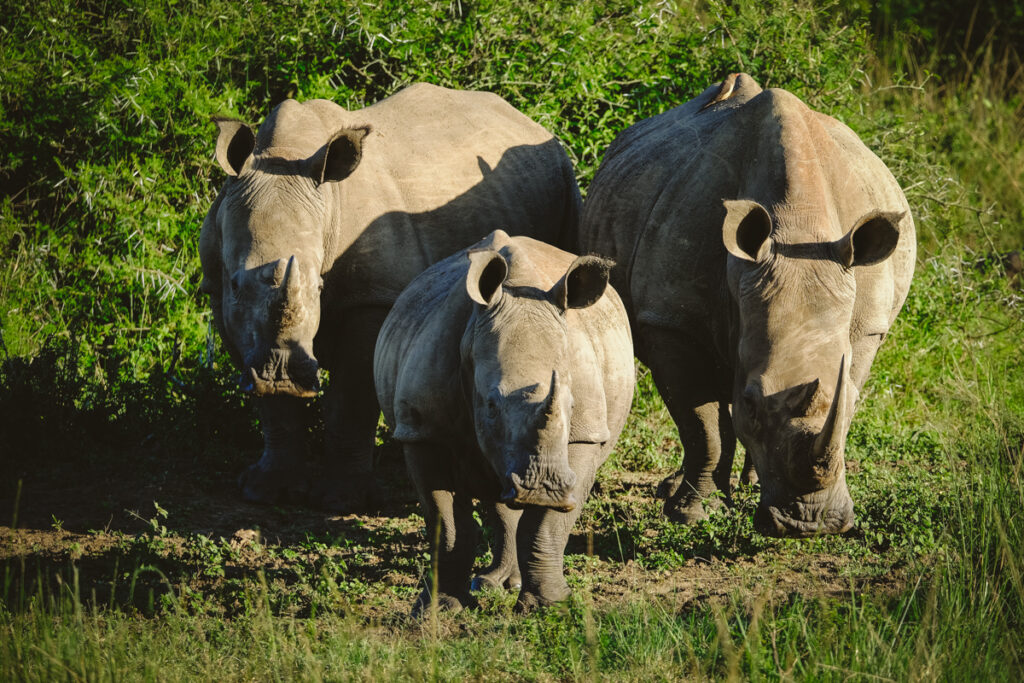
By the 1950s, only a handful of white rhino remained on Earth, nearly all of them concentrated in this reserve. Under ranger Ian Player, “Operation Rhino” developed the capture and translocation techniques still used today, allowing populations to be rebuilt across southern Africa. Several thousand white rhino worldwide are directly descended from that small group saved at Hluhluwe-iMfolozi. It remains the park with the highest density of white rhino anywhere.
The Big Five at Hluhluwe-iMfolozi
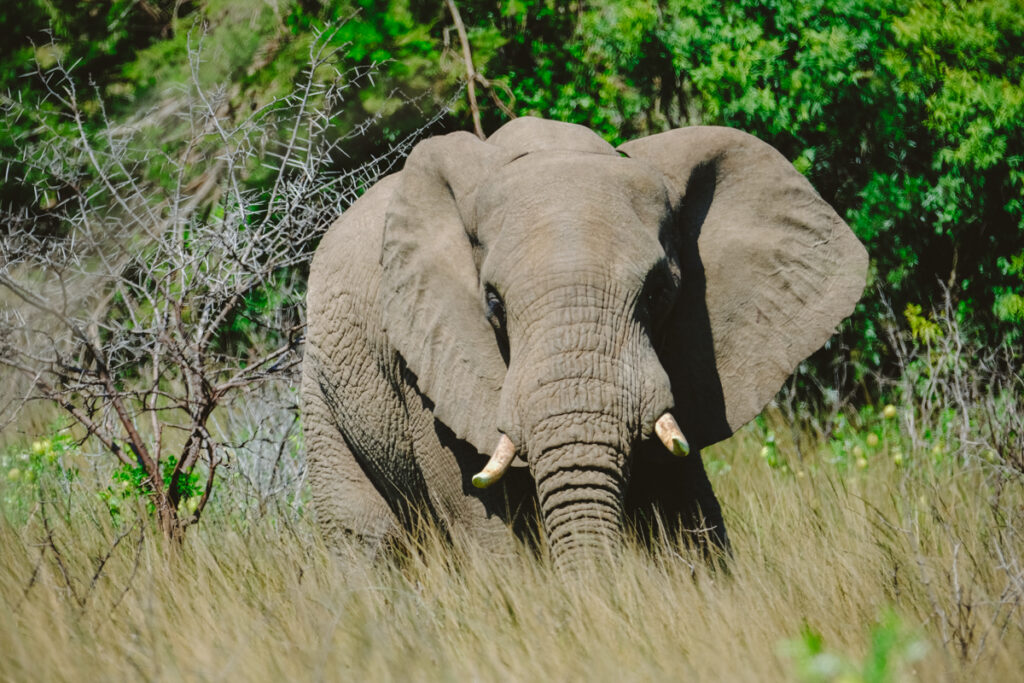
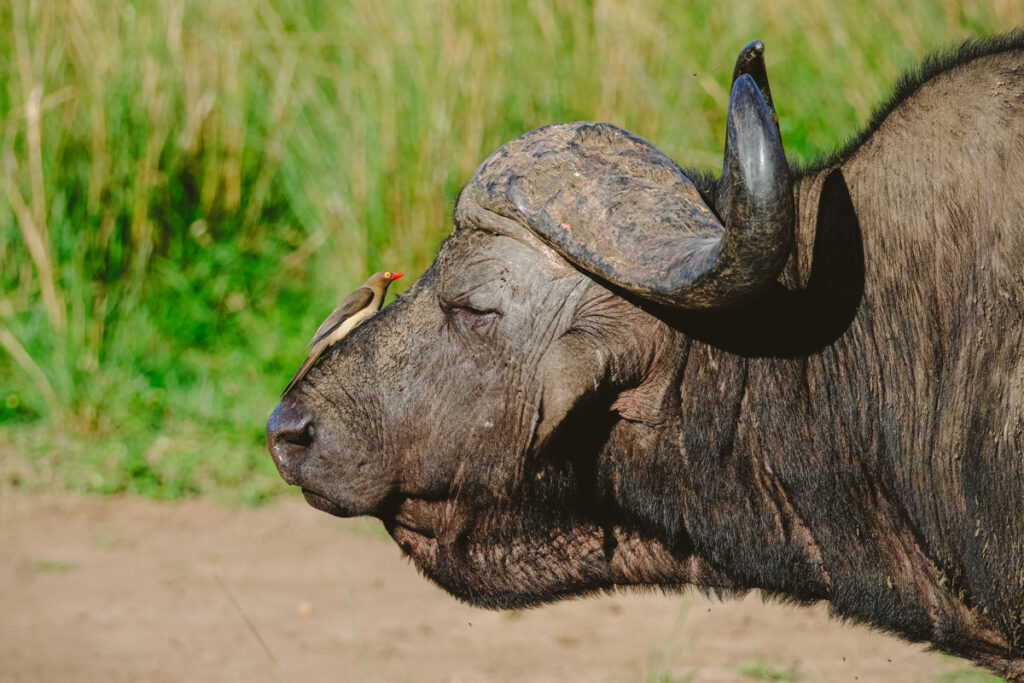
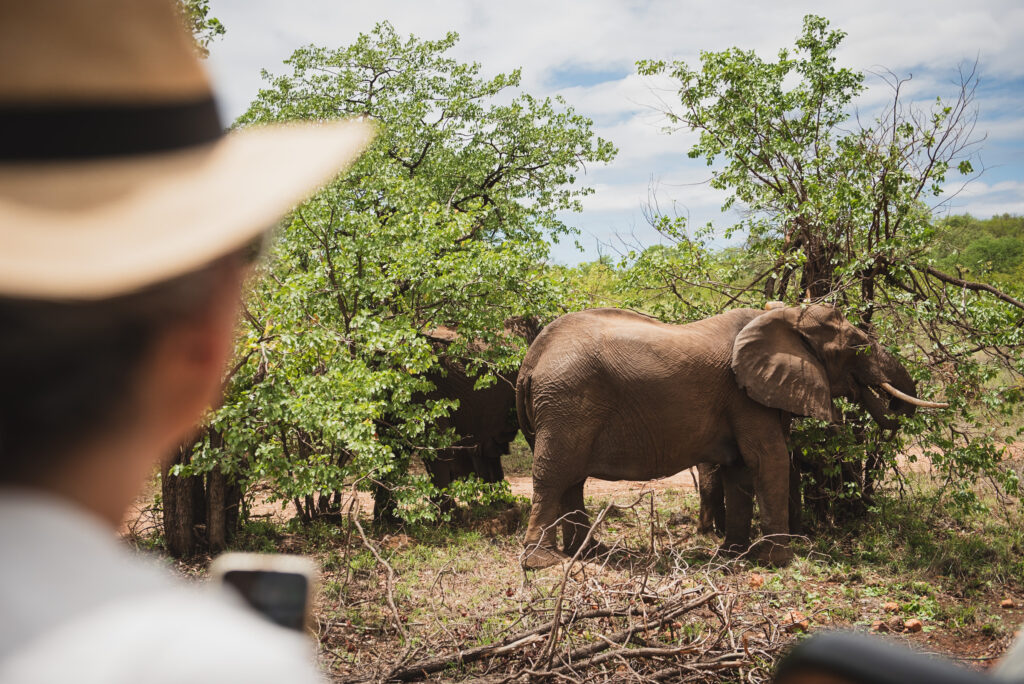
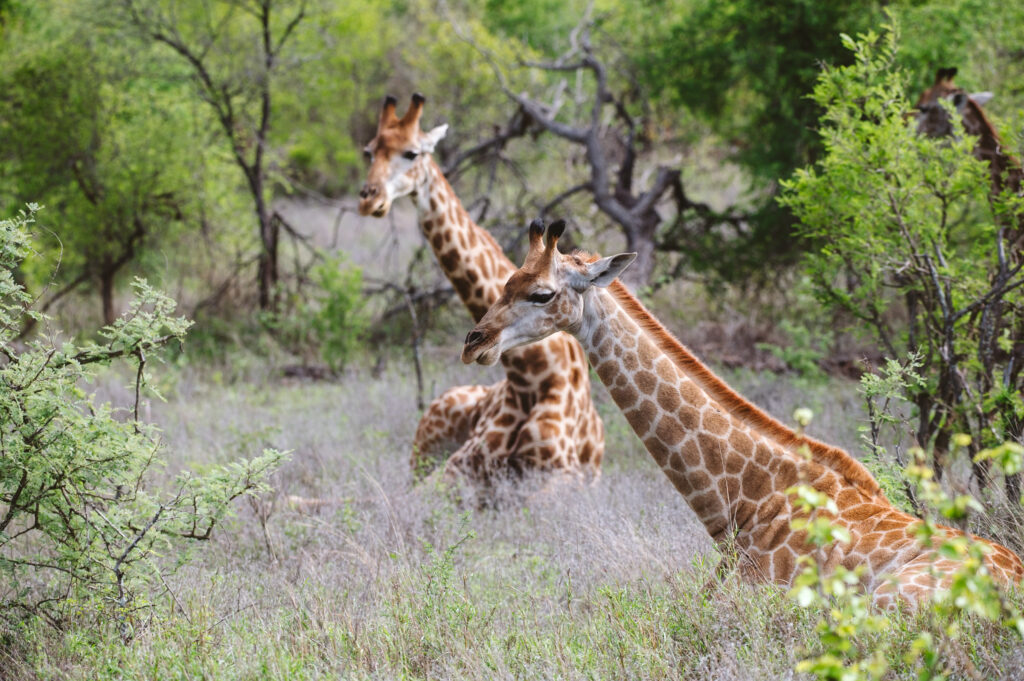
Lion, leopard, elephant, buffalo and both rhino species (white and black) are all present. You’ll also find cheetah, hyena and, more rarely, wild dog. The reserve sees far fewer visitors than Kruger, with fewer roads and a generally more intimate feel — open 4×4 game drives, but also guided walks and boat trips on the Hluhluwe Dam, formats rarely offered elsewhere.
Hluhluwe-iMfolozi or Kruger?
Both offer the Big Five, but the experience differs. Kruger and the Greater Kruger offer more choice of accommodation and budgets, and often a higher density of animals. Hluhluwe-iMfolozi wins on history, hillier scenery, proximity to Durban and the KwaZulu-Natal coast, and noticeably fewer tourists. It’s also a strong option for extending a coastal stay in the region, at St Lucia or along the Zululand coast, without heading back up north.
When to go
Dry season (June to September) remains the best window for game viewing, with lower vegetation and animals clustered around remaining water sources. The climate here also tends to be milder than Kruger’s at the same time of year, making it a pleasant option for a winter safari.
Frequently asked questions
Is Hluhluwe-iMfolozi a good alternative to Kruger?
Yes, especially for a shorter, more intimate trip, or one combined with the KwaZulu-Natal coast.
Can you see the Big Five at Hluhluwe-iMfolozi?
Yes — all five are present, alongside one of the highest concentrations of white rhino anywhere in the world.
Do you need antimalarial medication to visit Hluhluwe-iMfolozi?
The area carries a low but real risk, especially in the austral summer. A pre-trip medical consultation is recommended.
How much time should you spend at Hluhluwe-iMfolozi?
Two to three days lets you explore both sections of the park (Hluhluwe and iMfolozi) without rushing.
Want to pair Hluhluwe-iMfolozi with a stay on the KwaZulu-Natal coast? Let’s build your itinerary together.
South Africa can be visited all year round, but the best season to travel depends on what you want from your trip.
A safari in Kruger, a few days in Cape Town, a wine route escape, a beach stay on the Indian Ocean, whale watching or a family holiday will all have slightly different ideal seasons. That is part of what makes South Africa such a rewarding destination. It is a large country, with different climates in different regions, and every season offers something worthwhile.
For travellers coming from Europe, the first thing to remember is that the seasons are reversed. When it is summer in France, Belgium or Switzerland, it is winter in South Africa. But winter does not mean the whole country is cold, and it certainly does not mean it is a bad time to travel. In many cases, it is one of the best times to come.
Here is a simple season-by-season guide to help you decide when to visit South Africa.
December, January and February are summer months in South Africa. The days are long, the weather is warm, and the atmosphere is lively, especially along the coast.
This is a beautiful time to visit Cape Town, the Cape beaches, the Garden Route and the Winelands. Days are often sunny, evenings are warm, and Cape Town has a very social, festive feeling at this time of year.
It is also peak travel season, especially over Christmas and New Year. South Africans are on holiday too, which means popular coastal areas can be busy and accommodation books up quickly. If you want to travel during the festive season, it is best to plan well in advance.
For safari, summer is still possible, but it is not always the easiest season for wildlife viewing in some regions. In the north-east of the country, including Kruger and the Greater Kruger area, summer is the rainy season. The bush is greener and thicker, the landscapes are beautiful, and birdlife is excellent. It can be a wonderful time for photographers and travellers who enjoy lush scenery, but animals may be harder to spot than in the dry winter months.
This season works well if you want a warm, summery holiday with Cape Town, beaches, wine estates and a relaxed coastal feeling.
Hout Bay
March to May: autumn and softer travel
March, April and May are often some of the most comfortable months for travelling in South Africa.
The temperatures begin to soften, the local holiday crowds have eased, and many places feel calmer. It is a very good time to combine different regions, such as Cape Town, the Winelands, the Garden Route, KwaZulu-Natal and a safari.
In Cape Town, March and April can still bring beautiful warm days. The vineyards are lovely, the light is softer, and the city feels less busy than it does in peak summer.
For safari, autumn is an interesting transition period. The bush may still be green after summer, but the vegetation slowly begins to open up. Temperatures are more comfortable than in the height of summer, which can make game drives more pleasant.
This is a strong season for travellers who want good weather, fewer crowds and a more balanced itinerary.
June to August: winter and excellent safari conditions
South African winter often surprises visitors. Many people imagine cold weather and limited travel options, but winter is one of the best times of year for safari.
In safari regions such as Kruger, Greater Kruger, private reserves, KwaZulu-Natal and Madikwe, winter is generally dry. Vegetation becomes thinner, natural water becomes more limited, and animals are more likely to gather around rivers and waterholes. This can make wildlife easier to see.
Mornings and evenings can be cold, especially in an open safari vehicle, so warm layers are important. But daytime conditions are often sunny and pleasant.
Winter is also a very good time to consider KwaZulu-Natal. The winters on this part of South Africa’s east coast are often mild, bright and beautiful. For an itinerary that combines safari, Indian Ocean beaches, Zulu culture and wild landscapes, KwaZulu-Natal is often overlooked and deserves more attention.
Cape Town has a different winter pattern. The Western Cape receives more rain in winter, especially from June to August. That said, there are still clear days, and it can be a quieter time to enjoy the city, restaurants, galleries and wine estates without the summer crowds. But it does get chilly.
June to November: whale season
If whale watching is on your South Africa wish list, the months between June and November are worth looking at.
Southern right whales come close to the South African coastline each year to breed and calve. Hermanus is one of the best-known places to see them, often even from land. De Hoop, the Garden Route and parts of the Cape coast can also offer very good whale-watching opportunities.
On the east coast of South Africa, this is also an exciting time for humpback whales. Between roughly June and November, humpbacks migrate along the KwaZulu-Natal coastline, moving between their feeding grounds in the colder southern oceans and warmer breeding waters further north. This means travellers visiting areas such as the Dolphin Coast, St Lucia, iSimangaliso Wetland Park or the Elephant Coast may have the chance to see whales offshore during the winter and spring months.
The strongest months are often between August and October, although nature never works to an exact calendar. As with all wildlife experiences, sightings cannot be guaranteed, but this season gives you a very good chance.
For nature-focused travellers, September can be especially rewarding. It can offer whales, spring landscapes, milder days and still very good safari conditions in many areas.
September to November: spring
Spring is a lovely time to travel in South Africa. Temperatures begin to rise, landscapes change, and the December crowds have not yet arrived.
September is still excellent for safari in many regions because the dry season has not fully ended. It is also a good month if you want to combine safari and whale watching in one trip.
October and November are transition months. Temperatures rise, the first rains may arrive in the north-east, and the landscapes start becoming greener. This is a good time for travellers who want variety and fewer crowds than the peak summer season.
Spring works well if you want to avoid extremes. It is not as hot as midsummer, not as cold as midwinter, and offers a wide mix of experiences.
So, what is the best month to visit South Africa?
There is no single answer. The best time depends on your route.
For safari, May to September is often ideal, with October still good in many regions. For Cape Town, the Cape beaches and the Winelands, December to March is a beautiful period, with February and March often easier than the busy Christmas peak. For whales, look between June and November, with August to October usually offering strong potential. For a calmer, well-balanced trip, March to May and September to November are often excellent choices.
If you want to combine safari and beach, winter can be a very good surprise, especially if you include KwaZulu-Natal or the Indian Ocean coast in your route. Travellers often assume that a beach element must mean summer, but some parts of South Africa are beautiful in winter, with mild days, clear light and fewer people.
Our advice
Do not choose your travel dates only according to the weather. Choose them according to what you want to experience.
A first trip to South Africa can take many forms: a classic safari, a coastal journey, a family holiday, a honeymoon, a cultural route, or a slower itinerary built around nature, lodges and carefully chosen stays.
At My African Routes, we create tailor-made Southern Africa journeys for French-speaking travellers. We help you choose not only the right season, but also the right pace, regions and stops for the way you like to travel.
South Africa does not have one perfect season. It has many different faces. The secret is choosing the one that fits your journey.
Newsletter
South Africa, before you go
Insider addresses, seasonal guides and bespoke travel inspiration, straight to your inbox.
Thank you! You'll hear from me soon. 🌿
We use analytics cookies (Google Analytics) to improve your experience. You can accept or decline their use.
Learn more